Category: Health

  • Palm Oil: A Strategic Commodity for Pakistan’s Food Security, Nutrition, and Sustainable Growth

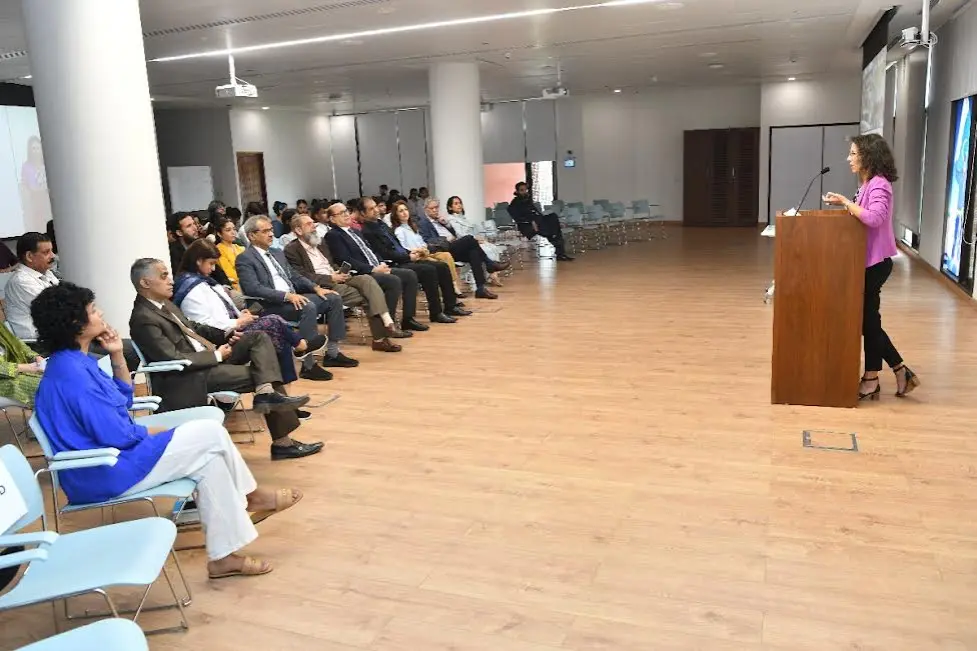
    Palm oil remains a cornerstone of Pakistan’s edible oils and fats sector, supporting food security, industrial development, and nutritional access for millions. Experts emphasized its significance today, calling for greater awareness of its benefits, sustainability initiatives, and strategic importance.

    With annual consumption exceeding 3 million tonnes, palm oil makes up over 96% of Pakistan’s edible oil imports. Its versatility and cost-efficiency make it indispensable for food manufacturers, particularly in producing vanaspati ghee, cooking oils, shortenings, margarine, and processed foods.

    “Palm oil is a pillar of Pakistan’s oils and fats market,” said Nadar Ali Ghanghro, Marketing Officer, Consulate General of Malaysia, author of Palm Oil in Pakistan: A Pillar of the Oils and Fats Market and Its Impact on Food Security. “Its natural stability, long shelf life, and affordability make it critical for national nutrition and economic resilience, especially in rural regions.”

    Palm oil is a cholesterol-free vegetable oil, naturally free of trans fats, and rich in antioxidants like tocotrienols and beta-carotene—components that contribute to cardiovascular health and overall well-being. Its balanced fatty acid profile makes it suitable for a range of food applications. When consumed in moderation as part of a balanced diet, it supports energy needs and nutrient absorption.

    Dr. Ramle Moslim, Deputy Director-General (R&D), Malaysian Palm Oil Board, added that it’s unique attributes make it not only a key dietary fat, but also a sustainable and economically vital crop. “It is a versatile edible oil derived from the fruit of the oil palm tree. Its excellent stability at high temperatures, long shelf life, semi-solid state at room temperature, and high yield per hectare make it an ideal choice for food production—from margarine and baked goods to snacks and cooking oils,” he said.

    He highlighted palm oil’s critical role in global food security, noting that oil palm yields 4 to 10 times more oil per hectare than other oilseeds such as soybean, sunflower, or rapeseed. “This efficiency allows for higher output with less land, reducing pressure on natural ecosystems,” he said. “Malaysia alone has over 5.6 million hectares under cultivation, supporting over 500,000 smallholders and ensuring domestic and global food stability.”

    He acknowledged concerns about deforestation and biodiversity loss linked to palm oil cultivation but stressed that these challenges are being addressed through science-based policies, reforestation efforts, and collaborative governance involving NGOs and state authorities. “Our goal is zero-waste, circular economy production that meets ESG criteria and consumer expectations,” he said.

    Zafar Mahmood, Chief Executive Officer, NIMIR further highlighted the industry’s shift towards sustainable sourcing. “Most multinationals operating in Pakistan now require RSPO-certified palm oil—whether Mass Balance, Segregated, or NDPE-compliant. This shift is transforming the supply chain toward greater transparency and environmental responsibility.”

    Dr. Hammad Hassan, PhD, Assistant Professor, Aga Khan University reiterated the importance of countering misinformation. “It is often misrepresented. The reality is it provides critical nutrients, supports livelihoods, and when produced responsibly, is a more sustainable option than many alternatives.”

    Research is also advancing in palm-based nutritional innovations to help address micronutrient deficiencies. Red palm oil, for instance, is being studied for its use in healthcare and food interventions, particularly for vulnerable populations.

    As it continues to support Pakistan’s food industry, experts urged a multi-stakeholder approach—uniting science, policy, and public engagement—to strengthen its sustainability and global standing.

    “With ongoing improvements in traceability, nutrition, and environmental standards, palm oil is positioned to remain a vital contributor to global food systems and national development,” said Dr. Ramle. “Let’s build a shared understanding and work together to support its responsible growth.

    Also Read: Toyota’s Dream Car Art Contest Returns with Grand Celebration in Pakistan After Five Years
  • Heat-Prone Cities of Sindh Unveil Heat Action Plans as AKU, PDMA Strengthen Local Climate Resilience

    In a significant move to strengthen preparedness for rising temperatures, the Centre of Excellence for Trauma and Emergencies (CETE) at Aga Khan University (AKU), in collaboration with the Provincial Disaster Management Authority (PDMA) Sindh, hosted a City Heat Action Plan Consultative Meeting on Friday, June 20, 2025.

    The event marked a milestone in the HEAT (Heat Emergency Awareness and Treatment) project, funded by Elrha (Enhancing Learning and Research for Humanitarian Assistance), a UK-based humanitarian funding body. It brought together over 20 senior government officials—including Assistant Commissioners, Additional Deputy Commissioners, and District Health Officers—from five of Sindh’s most heat-prone cities: Hyderabad, Dadu, Larkano, Mirpurkhas, and Naushero Feroze.

    Over the past year, CETE and PDMA Sindh have supported local authorities in developing tailored Heat Action Plans focused on early warning systems, public awareness, emergency health response, and interdepartmental coordination. These cities were selected by PDMA based on their acute vulnerability to recurring extreme heat events.

    “Each year, extreme heat pushes our healthcare systems to the brink and endangers lives, especially in vulnerable districts,” said Mr. Syed Shayan Shah, Director Operations, PDMA Sindh. “These Heat Action Plans give our local administrations concrete protocols: when to issue warnings, how to coordinate ambulance services, where to set up heat relief camps. It’s the kind of structured, city-level preparedness Sindh urgently needs.”

    This initiative comes at a critical time. Millions across Sindh—especially low-income households, the elderly, outdoor workers, and residents of informal settlements—remain at high risk during heatwaves due to limited access to cooling and routine power outages. The 2024 heatwave alone led to 5,358 hospital admissions for heat-related illnesses and 158 livestock deaths. Between April and May 2025, PDMA reports confirmed treatment of 675 heatstroke cases across the province. Overall, an estimated 8.6 million people across 26 districts in Sindh face heightened food insecurity due to compounding heat and drought risks.

    Healthcare infrastructure continues to be strained during such events. Emergency centers often face shortages of basic supplies like IV fluids, oxygen, and cooling beds, while clinics report long wait times and admission delays, further contributing to fatalities.

    “We are proud to have supported city administrations in building these action plans,” added Mr Zaheer Chaand, Project Lead for HEAT at CETE, AKU. “This is a locally driven, evidence-informed effort that puts climate adaptation in the hands of those closest to the communities.”

    The initiative showcases a replicable, city-led model of climate resilience, empowering local governments with the tools to protect lives amid growing climate extremes.

    Also Read: AKUH Raises Awareness on High-Risk Pregnancy Care 

  • AKUH Raises Awareness on High-Risk Pregnancy Care 

    The Aga Khan University Hospital (AKUH) hosted a public awareness session titled Hope in High-Risk Pregnancy, organised by the Section of Maternal and Foetal Medicine within the Department of Obstetrics and Gynaecology at AKUH. The session aimed to educate and support couples and families with expert guidance and free consultations.

    The event focused on raising awareness about the risks associated with high-risk pregnancies and the importance of specialised care. It was designed for couples planning a pregnancy, expectant mothers, individuals with a history of medical complications, and caregivers seeking to better understand maternal and foetal health. 

    Participants received valuable information on how to identify early warning signs, manage medical and emotional challenges during pregnancy, and make informed decisions with the help of healthcare professionals. The event included expert talks, personalised advice on pregnancy management, emotional and physical health guidance, the best care to give a high-risk neonate, and a live Q&A with high-risk pregnancy specialists. Free clinic consultations and foetal ultrasounds were also offered to winners of a lucky draw.

    “High-risk pregnancies require early identification and compassionate, specialised care,” said Dr. Ayesha Malik, Section Head of Maternal and Foetal Medicine at AKUH. “Through this session, we hope to empower women and families with the knowledge they need to navigate these challenges safely and confidently.” She encouraged anyone who is planning a pregnancy, currently experiencing complications, or has had a complex pregnancy in the past to consult a Maternal-Foetal Medicine specialist early, to help ensure the best possible outcomes for both mother and baby.

    The event reflects AKUH’s continued commitment to promoting maternal and child health, and its broader mission of making high-quality, preventive healthcare accessible to all.

    Also Read: Stepping forward for children’s health, AKUH celebrates World Children’s Day with a series of vibrant festivities

  • Telemedicine Reduces Carbon Footprint & Delivers Life Saving Pediatric Emergency Care Without Delay

    On World Environment Day, ChildLife Foundation is spotlighting the growing threat of climate change to children’s health in Pakistan, while offering a sustainable solution through its pioneering telemedicine model. As air pollution worsens, heatwaves intensify, and floods become more frequent, children across the country are increasingly vulnerable to climate-aggravated illnesses such as respiratory infections, typhoid, gastroenteritis, and heat-related conditions. 

    “Our responsibility to children goes beyond emergency care,” said Dr. Ahson Rabbani, CEO of ChildLife Foundation. “By offering expert pediatric consultations through our Telemedicine Satellite Centers (TSCs) across Pakistan, we ensure timely, life-saving care while reducing unnecessary referrals to major cities, ultimately minimizing the carbon footprint of healthcare delivery.” 

    ChildLife operates more than 300 Telemedicine Satellite Centers (TSCs) within government hospitals nationwide, enabling doctor-to-doctor video consultations that connect frontline medical officers with senior pediatricians in real time. This innovative approach ensures expert guidance for accurate diagnosis and treatment of children at the point of care. With over one million teleconsultations delivered to date, this system has significantly reduced the need for long-distance patient transfers, lowering travel-related emissions, saving time and cost. By avoiding thousands of referrals to urban hospitals, the model not only ensures timely treatment for children but also reduces fuel consumption and greenhouse gas emissions. 

    “Each teleconsultation spares families hours of travel and prevents repeat visits,” said Dr. Irfan Habib, Medical Director at ChildLife Foundation. “This not only lessens the environmental burden but ensures that children receive immediate expert care when every minute matters.” Many of the conditions treated through ChildLife’s telemedicine network are linked to environmental risk factors, including respiratory infections exacerbated by smog and indoor pollution, waterborne diseases like typhoid and diarrhea triggered by floods and poor sanitation, as well as heatstroke and dehydration during extreme heatwaves. 

    This year’s World Environment Day theme, “Planet vs. Plastics,” calls for urgent action against pollution and its impact on human health. ChildLife Foundation echoes this urgency and reaffirms its commitment to environmental responsibility in healthcare delivery. In addition to its green telemedicine model, ChildLife follows strict protocols for safe medical waste disposal in the 14 emergency rooms it operates in partnership with the government. Healthcare facilities produce regulated waste, including infectious, pharmaceutical, and sharps waste that poses both environmental and infection control risks if not managed properly. 

    To address this, ChildLife has implemented standard operating procedures for waste collection and segregation at the source. Medical, pharmaceutical, and general waste such as gauze, gloves, and plastic packaging are separated and safely disposed of in accordance with environmental and public health standards. 

    As Pakistan confronts the dual challenges of climate change and limited access to pediatric emergency care, ChildLife Foundation’s emergency rooms and telemedicine network offers a scalable, environmentally responsible solution. The organization remains committed to delivering expert care to children while protecting the planet they will inherit. Let us act today for a healthier, greener tomorrow, for Pakistan’s children and for generations to come.

    Also Read: ChildLife Foundation’s Urgent Call on World Pneumonia Day Amid Climate Change and Smog Crisis

  • MOL Pakistan Donates Ambulances to the District Administration of Karak and Kohat

    MOL Pakistan has reaffirmed its commitment to strengthening healthcare infrastructure in Khyber Pakhtunkhwa by donating fully equipped ambulances to the District Administrations of Karak and Kohat.

    At a ceremony held at the Peshawar Secretariat, a representative from MOL Pakistan formally handed over the ambulances to Mr. Muhammad Abid Majeed, Additional Chief Secretary (ACS) Home and Tribal Affairs, Khyber Pakhtunkhwa. During the event, messages from MOL Pakistan’s leadership were conveyed on their behalf to highlight the significance of this donation.

    A message by Mr. Zsombor Marton, Global Head of Exploration & Production at MOL Group, was read out, emphasizing the company’s dedication to community health:“This gesture of goodwill aims to address the healthcare challenges faced by these communities and foster stronger relationships with them. By donating these ambulances, MOL Pakistan reaffirms its commitment to improving healthcare facilities and contributing to the well-being of the people in Karak and Kohat.”

    A message from Mr. Adam László, Chief Executive Officer of MOL Pakistan, expressed the company’s commitment to social development alongside its core business activities:

    “Our presence in Pakistan is defined not only by energy exploration, but also by the partnerships we build with communities. We are honored to support the provincial administration in strengthening emergency healthcare services in Karak and Kohat, and to contribute to the region’s development in a meaningful way.”

    Mr. Abid Majeed extended his gratitude to MOL Pakistan, acknowledging the company’s ongoing commitment to community welfare through its corporate social responsibility (CSR) efforts. He remarked, “The availability of modern ambulances will greatly enhance the ability of local hospitals to provide essential emergency medical evacuation services, helping to save precious lives within the community.”

    MOL Pakistan, a wholly-owned subsidiary of the Hungary-based MOL Group, has been a vital part of Pakistan’s energy landscape since 1999. The company holds working interests in several key blocks and proudly operates the TAL and Margalla Blocks. As one of Pakistan’s leading oil and gas exploration and production companies, MOL Pakistan continues to contribute meaningfully to both the country’s energy sector and socio-economic development.

    This donation reflects MOL Pakistan’s longstanding commitment to the people of Khyber Pakhtunkhwa and its broader goal of creating lasting, positive impact through improved access to critical public services.

    Also Read: SIEHS, CHILDLIFE sign MoU to enhance pediatric emergency, health services across Sindh

  • Lucky Cement Hosts Eye Care Camp at Pezu

    Lucky Cement Limited in collaboration with Al Shifa trust organized a three-day Eye Care Camp for the general public at its Pezu Plant from May 26 to 28, 2025, as part of its community welfare initiatives.

    A total of 1,563 patients were treated during the camp, which provided eye check-ups, vision assessments, prescription glasses, and treatment for common eye conditions. Patients requiring further care were referred to specialized facilities.

    A team of qualified ophthalmologists and support staff ensured quality care. Free medicines and eyeglasses were also distributed to those in need.

    The camp offered much-needed medical support to residents of Pezu and surrounding areas, improving access to essential eye care services.

    Also Read: Lucky Cement, Al-Shifa Trust to Hold Eye Screening Camp in Pezu

  • A Beacon of Hope: How Public-Private Partnership for Child Health in Karachi Is Transforming Underserved Communities

    In the bustling, often overlooked urban slum settlements of Karachi, change is taking place. Children who once faced the dual threats of vaccine-preventable diseases and malnutrition are now being reached by the Public-Private Partnership for Child Health in Karachi—an innovative initiative that blends routine immunization and nutrition services. Funded by the Gates Foundation, this project is made possible through a collaboration between the Expanded Program on Immunization (EPI) Pakistan, Government of Sindh Health Department, Aga Khan University (AKU), and local communities.

    In 2022, the project was born out of necessity. Rapid increase in the mobile and migrant population in Karachi has led to an increase in densely populated underserved slum areas with lack of access to health care – especially preventive services such as childhood routine vaccination.

    In 10 High Risk and five Super High Risk Union Councils (designated by the Pakistan polio program) across three Karachi districts where health care access was scarce and trust in the system low, families struggled to protect their children. This included four Union Councils in District East, one Union Council in Malir and 10 Union Councils in District West. However, by December 2024, the numbers told a new story: 144,563 children under two vaccinated, 68,861 screened for malnutrition, and a 76% drop in zero-dose children. Behind these figures lie countless small victories: a mother no longer fearing measles, a toddler regaining strength after malnutrition treatment and a community trusting health care workers.

    The project’s success hinged on its dual approach. On one front, 33 service centers brought care closer to homes, with extended hours and trained private providers ensuring quality. On the other, local women—trusted voices in their neighborhoods—became champions for sharing information about immunization and dispelling myths. Digital campaigns and WhatsApp broadcasts amplified the messages, delivering EPI information to caregivers. 

    Nutrition services are integral to the Public-Private Partnership for Child Health in Karachi, providing a lifeline for families. Screenings identified 4,629 moderately malnourished and 1,593 severely malnourished children. Through timely interventions, 568 children graduated to healthy weight, and 177 improved from severe to moderate malnutrition.

    Dr Azra Pechuho, Sindh’s Health Minister, reflected on the project’s potential saying,  “We hope to expand these efforts beyond Karachi to the rest of Sindh. Karachi was meant to serve as a pilot to generate data that could inform scale-up across other districts.”

    Dr Zahid Memon, Associate Professor from the Community Health Sciences Department at AKU and Project Lead believes that “This initiative proves that when the public and private sectors unite with communities, we can dismantle barriers to health care. By integrating immunization and nutrition services we’re building a resilient health ecosystem.”

    At the recent Primary Health care Symposium at AKU, Dr Mukhtar Bharat, Minister of State, Ministry of National Health Services Regulations and Coordination, Government of Pakistan, referred to this project and praised partners such as the Gates Foundation for their provision of technical assistance and innovations for health systems strengthening: “The health sector cannot [alone] resolve the challenges it is facing. There is a need for multi-sectoral collaboration to address the determinants of health for which multi-sectoral policies must be implemented.”

    The project’s lessons are now part of Sindh’s Provincial and National Immunization Strategies (2025–2030), offering a roadmap to scale the model. For Karachi’s families living in urban slums, it’s more than policy—it’s a promise that their children’s health matters.


    District Union Councils
    East Gulzar e Hijri
    Safoora
    Pehlwan Goth
    Gujro 04
    Malir Malir Cantt
    West Qasba Colony 
    Frontier Colony
    Baloch Goth
    Maymarabad 
    Yousuf Goth
    Chisti Nagar 07
    Islamia Colony 09
    Mangophir 08
    Songal 05
    Moominabad


    Districts and areas covered by this campaign

    Also Read: AKU, Local and Global Partners Launch Landmark Malaria Elimination Project in Thatta

  • Lucky Cement, Al-Shifa Trust to Hold Eye Screening Camp in Pezu

    A three-day eye screening camp will be held from May 26 to 28, 2025, at the Abdul Razak Tabba Welfare Dispensary located within the premises of Lucky Cement Factory in Pezu. Conducted in collaboration with Al-Shifa Trust, the camp will run daily from 9:00 AM to 3:00 PM.

    The initiative aims to provide accessible eye care services to residents of the surrounding communities. Services to be offered during the camp include general eye examinations, prescription glasses, free medicines, and cataract screening. Qualified medical personnel and optometrists from Al-Shifa Trust will be on-site to conduct assessments and provide necessary treatment and referrals.

    This effort is part of Lucky Cement’s broader commitment to community health, particularly in remote and underserved areas. Through regular health-focused initiatives, the company continues to address critical gaps in healthcare access while strengthening long-term community wellbeing.

    Also Read: Free Mother’s Day Health Camp Held at the Aga Khan Maternal and Child Care Centre, Hyderabad

  • Aga Khan University Celebrates Student Innovation at Concluding Ceremony of President’s Challenge for Climate Solutions

    The Aga Khan University (AKU) today hosted the closing ceremony of the 2024 edition of the AKU President’s Challenge for Climate Solutions, marking the culmination of a months-long competition that brought together student innovators from Pakistan, Kenya, Uganda and Tanzania in a bid to tackle one of the world’s most pressing environmental issues: water.

    Launched in 2022, the President’s Challenge for Climate Solutions was born from AKU’s conviction that students must not be bystanders in the fight against climate change. This year’s theme – Every Drop Counts – inspired students to develop practical, scalable ideas that address both water scarcity and excess, as climate change increasingly disrupts global water systems.

    “People talk about the critical natural resources that the clean energy transition will require,” said Dr Sulaiman Shahabuddin, AKU President and Vice Chancellor. “But the most valuable and most urgently needed resource by far is human creativity – the kind of creativity we are celebrating today. If our award winners are any indication of what is to come, the Global South will enjoy its fair share of future-defining innovation.”

    The winning entry, Dropwise Smart Irrigation, came from a team of students in Tanzania who developed a solar-powered, automated irrigation system to tackle water inefficiency in agriculture, where over 40% of irrigation water is lost due to outdated practices.  “It wasn’t easy,” said one of the team members. “We juggled classes, proposals, and setbacks with materials and many more. But we never gave up. Young people aren’t just the future, we are the change happening now. One action, one innovation, one drop at a time.”

    The first runners-up were from Kenya, whose project Pure Flow offers an innovative, self-powered water purification and monitoring system designed to tackle water pollution in rivers, lakes, dams, and oceans without the need for expensive infrastructure.

    The second runners-up position was shared by two teams from Pakistan and Kenya. The Pakistan team developed a Water Absorbent Mat and Filtration System to conserve and recycle greywater from household drains, while the Kenya team proposed Smart Aqua, an AI-powered, solar-driven precision irrigation system that revolutionizes water management in agriculture.

    In addition to the University competition, high school students in Karachi took part in a parallel competition, with innovative student ideas presented by 24 schools.

    “AKU as an institution is taking bold steps to address climate change,” said Miriam Kugele, Director at AKU’s Environmental Office. “This includes taking responsibility and reducing our emissions, working with partners and incentivising suppliers to accelerate action, and working with our entire university community to transform our daily habits. Climate change requires from us both long-term thinking and pragmatic action today.”

    Over the past three years, the President’s Challenge has inspired hundreds of students across AKU campuses to think boldly and act decisively on climate. With creativity, passion and determination, these young changemakers are proving that every drop – and every idea – counts.

    Also Read: Free Mother’s Day Health Camp Held at the Aga Khan Maternal and Child Care Centre, Hyderabad

  • Free Mother’s Day Health Camp Held at the Aga Khan Maternal and Child Care Centre, Hyderabad

    In celebration of Mother’s Day, the Aga Khan Maternal and Child Care Centre (AKMCCC), Hyderabad, successfully organised a free one-day health camp to provide women with essential healthcare services and expert consultations.

    The camp aimed to raise awareness about the vital importance of maternal and women’s health, recognising that healthy mothers are the foundation of strong families and thriving communities. The event attracted a large turnout of women from across the region, many of whom gained access to essential healthcare services at no cost.

    Participants availed a range of complimentary services, including general health check-ups, blood pressure and blood sugar screenings, reproductive health counselling, BMI evaluations, and child nutrition assessments.

    In addition, attendees were offered special discounts on ultrasound services and participated in expert-led discussions on key women’s health topics, such as polycystic ovary syndrome (PCOS), menopause, and fertility care. Attendees also enjoyed interactive games, giveaways, and a warm, celebratory environment celebrating the vital role of women in families and society.

    “Our mothers give so much to their families and communities, yet their own health is often overlooked,” said Dr. Syed Mairajuddin Shah, Chief Operating Officer, Off-Campus Hospitals at the Aga Khan University Hospital, Pakistan. “This camp was a small but meaningful step toward ensuring that women, especially mothers, receive the care, guidance, and attention they truly deserve.”

    The event reflects the Aga Khan Maternal and Child Care Centre, Hyderabad’s ongoing commitment to community outreach and its mission to make preventive and primary healthcare accessible to all, particularly women and children in underserved areas.

    Also Read: Aga Khan University’s Centre of Excellence in Women and Child Health Launches Immunization Project in Balochistan