Category: Health

  • Over 500 Patients Benefited from Kidney Screening Camp Organized by Lucky Cement and Tabba Kidney Institute

    Lucky Cement Limited, in collaboration with Tabba Kidney Institute, successfully organized a two-day Kidney Screening Camp at the Abdul Razzak Tabba Welfare Dispensary located at the company’s Pezu Plant. Held on July 25 and 26, the initiative served over 500 patients from the local community.

    The camp aimed to raise awareness about kidney-related diseases and promote early detection. A wide range of free medical services was provided, including kidney function tests, ultrasound examinations, blood pressure monitoring, and general health consultations. Senior doctors and specialists from Tabba Kidney Institute were present on-site to offer expert advice and medical consultations.

    This initiative is part of Lucky Cement’s ongoing commitment to community wellbeing and sustainable healthcare. The company extends its sincere appreciation to Tabba Kidney Institute and all volunteers who contributed to the successful execution of the camp.

    Also Read: Engro Fertilizers and Bank Alfalah Partner to Launch PKR 250 million Financing for Farmers across Pakistan

  • CDA Partners with Macter to Tackle Obesity and Promote Public Health in Islamabad

    Experts emphasized the importance of obesity management in building a healthy society, citing the role of healthy eating and regular exercise in preventing diabetes, hypertension, heart disease, and kidney-related ailments. These views were shared during the two-day Obesity Management Workshop organized by Macter International Limited at a local Islamabad hotel.

    On the first day of the workshop, productive sessions and discussions focused on advancements in diabetes and endocrinology. Obesity is a pressing concern in Pakistan, with the World Obesity Federation ranking the country among those with the highest rates of overweight and obese individuals, affecting half of the population.

    Alarmingly, the federation predicts that 5.4 million Pakistani school-aged children will be obese by 2030.Professor Bilal Bin Younis stressed the importance of preventing and controlling obesity to build a healthy society. He noted that most pre-diabetic individuals in Pakistan are obese and are at high risk of developing diabetes if they don’t take proper measures. Creating awareness about the negative impacts of obesity is crucial to preventing future health issues.

    Dr. Ayla Khan highlighted the need for specialized obesity management setups and their global standards. Aamir Naveed presented Macter’s vision for obesity awareness and management, outlining the project’s scope and suggesting ways to prevent obesity in society. During the concluding session, Macter International Limited signed Memoranda of Understanding (MoUs) with partnering organizations, including the Capital Development Authority, OlaDoc, Marham, Sehat Kahani, and Lions Club.

    These partnerships will enable Macter International to implement obesity awareness and management programs in various medical facilities and cities across Pakistan. Aamir Naveed emphasized the importance of diagnosis in disease management, stating that proper treatment is impossible without accurate diagnosis. He highlighted the need for partnerships at all levels to promote awareness about diseases and the importance of diagnosis.

    Also Read: Spotify Spotlights Pakistan’s Breakout Star Afusic as the RADAR Artist for Q3

  • Aga Khan University’s Digital Immunization Solution Recognized With International Digital Health Award 

    The Aga Khan University (AKU) is proud to announce that its innovative digital health solution, the Khyber Pakhtunkhwa Electronic Immunization Registry (KP-EIR), has received a Merit honour at the prestigious Spring 2025 Digital Health Awards®. This international competition, presented by the Digital Health Resource Center (dHRC), recognizes the world’s best digital health resources.

    The KP-EIR, a customized version of AKU’s foundational Hayat platform, was specifically recognized for its impactful contribution to public health. Developed at the request of the provinicial government of Khyber Pakhtunkwa, Pakistan, this system has revolutionized the region’s Expanded Programme on Immunization. By significantly improving data management, accessibility, and programme oversight, KP-EIR has directly strengthened vaccination efforts across the province. The Spring 2025 Digital Health Awards® featured 65 categories, attracting over 600 entites from across the globe. A distinguished panel of 68 digital health media experts meticulously judged submissions, selecting award recipients based on their innovation and impact.

     “We are immensely honoured to receive this Merit award for KP-EIR,” said Dr Saleem Sayani, Director, AKU Digital Health Resource Center. “This recognition is a testament to AKU’s commitment to leveraging technology for social good and public health advancement. The successful conversion and deployment of Hayat into KP-EIR highlights the adaptability and scalability of our digital solutions, directly contributing to stronger health systems and healthier communities.”

    This award underscores AKU’s dedication to developing cutting-edge, practical digital health interventions that address critical health challenges and improve healthcare delivery on a broader scale.

    Also Read: Weak Enforcement and Low Awareness Driving Illicit Cigarette Trade In Pakistan

  • Aga Khan University’s Dr Zulfiqar A. Bhutta Awarded Prestigious Virchow Prize 2025 for Lifelong Leadership in Global Maternal, Newborn, and Child Health

    Dr Zulfiqar A. Bhutta, Founding Director of the Institute for Global Health and Development at the Aga Khan University (AKU), has been bestowed with the esteemed Virchow Prize 2025. This major international award recognizes his pioneering, lifelong leadership in advancing maternal, newborn, and child health equity through community-centred, evidence-based research. Dr Bhutta shares this year’s prize with co-laureate Professor Quarraisha Abdool Karim from South Africa.

    The Virchow Prize, awarded by the Virchow Foundation, celebrates outstanding achievements in global health aligned with the United Nations Sustainable Development Goals (SDGs) towards “Health for All.” It is considered one of the highest awards in global health, underscoring the critical importance of addressing health disparities and fostering structural change.

    The independent Virchow Prize Committee highlighted Dr Bhutta’s exceptionally impressive and outstanding contributions, noting his decades of transformative policy influence. His work has redefined global health architecture by focusing on those marginalized and historically excluded from mainstream health systems and scientific discourse.

    “Dr Bhutta’s work has been instrumental in shaping global health guidelines and influencing and influencing national policies for maternal, child health and nutrition in low- and middle-income countries,” stated the Virchow Prize Committee in their rationale. “He has championed community-based primary care models, large-scale randomised trials, and implementation research within vulnerable communities and fragile settings.”

    With over 1,400 scientific publications and active advisory roles in organizations like WHO, UNICEF, and the Partnership for Maternal, Newborn and Child Health (PMNCH), Dr Bhutta’s contributions exemplify scientific excellence that translates into life-saving policies and equitable health systems. His work has significantly advanced strategies to reduce maternal and child mortality in South-Central Asia, sub-Saharan Africa, and diverse humanitarian settings.

    Dr Bhutta said, “This award is a recognition of the ongoing contribution by numerous collaborators, students and trainees who have worked tirelessly to address some of the world’s most challenging problems affecting its women and children; to them I owe a tremendous debt of gratitude for being part of this ongoing journey!” 

    This recognition is a monumental achievement for Aga Khan University and a source of immense pride for Pakistan. It underscores AKU’s commitment to impactful, globally relevant research and its role in addressing critical health challenges in the developing world.

    “As President of Aga Khan University, it is a personal privilege to congratulate Dr Bhutta on receiving the Virchow Prize 2025 – an honour both profound and richly deserved,” said Dr Sulaiman Shahabuddin, AKU President. “It is a moment of great pride for both me and the University to have him as part of our community. His lifelong dedication to improving maternal, newborn, and child health in underserved communities speaks directly to the heart of our mission and reaffirms AKU’s commitment to advancing global health equity and driving meaningful, lasting change.”

    Also Read: PTCL Group Integrates M2M Devices, Data Center Services and Managed Connectivity Solutions Across TPL Corp & its Operating Companies

  • AKUH Wins Prestigious Platinum Award for Heart Attack Care — Third Consecutive Year

    The Aga Khan University Hospital (AKUH) has been recognised internationally for its life-saving cardiac care for the third consecutive year, earning the 2025 Platinum Performance Achievement Award from the Chest Pain – MI Registry, an initiative of the American College of Cardiology (ACC).

    This marks AKUH’s third consecutive win, and its second consecutive Platinum Award, the highest honour in the ACC’s performance achievement programme. The award is presented to hospitals that consistently deliver evidence-based, guideline-directed care to patients experiencing heart attacks (myocardial infarctions).

    To qualify, hospitals must meet strict performance criteria and engage in a continuous quality improvement process — monitoring clinical performance, adopting best practices, and improving outcomes for high-risk heart patients.

    “This third consecutive international recognition speaks to our commitment to delivering life-saving cardiac care grounded in evidence and compassion,” said Dr Farhat Abbas T.I, S.I, CEO, AKUH Health System, Pakistan. “It is a powerful endorsement of our team’s dedication to clinical excellence and patient safety. As we continue to raise the bar in cardiovascular care, we remain focused on innovation and improving outcomes for every patient we serve.”

    By aligning with international best practices, AKUH ensures care that improves survival rates and long-term outcomes for heart patients in Pakistan. The award underscores the hospital’s leadership in cardiovascular care in the region.

    “This recognition reinforces our drive to elevate standards, embrace innovation, and deliver better outcomes for our heart patients,” said Dr Javed Majid Tai, Director, Cath Lab and Site Director for NCDR at AKUH.

    As a trusted name in advanced cardiovascular care, AKUH remains committed to clinical excellence, innovation, and continuous improvement — raising the bar for heart care in Pakistan.

    Also Read: Mehwish Salman Ali Elected President of CxO Global Forum USA Chapter

  • New Study Published in The Lancet Calls for Unified Cancer Registry in Pakistan

    A new research study published in The Lancet Regional Health – Southeast Asia highlights the urgent need for a unified national cancer registry in Pakistan to improve cancer surveillance, policymaking, and resource allocation. Titled ‘Cancer Registries in Pakistan: A Scoping Review’ the study was co-authored by experts from Aga Khan University (AKU), University of Wisconsin, and Shaukat Khanum Memorial Cancer Hospital. 

    Pakistan faces a substantial cancer burden, with an estimated 185,748 new cancer cases and over 118,631 cancer related deaths recorded in 2022. Yet, the absence of a national cancer registry means that cancer data collection remains fragmented, inconsistent and incomplete, making it harder to plan and implement effective public health efforts.

    “Cancer registries are crucial, they provide population-based data on cancer trends and treatment efficacy, and enable health authorities to monitor disease patterns, guide policymaking, and allocate resources to establish an effective national cancer control programme,” expressed Dr Zehra Fadoo, Chair of AKU’s Department of Oncology.

    The research study identifies 17 cancer registries in Pakistan, with wide variations in scope and geographical coverage. Currently, only 19 of Pakistan’s 129 cities contribute data to at least one registry. Many registries face operational challenges, limited funding, and inconsistent data collection methods. The study has identified strengths and weaknesses of different registries, providing information that can be used to plan for cancer data aggregation and future research studies.

    “Building a national cancer registry isn’t something one institution can do alone,” explained Sehar Salim Virani, from the Departments of Surgery at AKU and the University of Wisconsin. “It will require coordinated action, government leadership, and institutional collaboration. This paper is a first step towards that goal. By mapping what exists, we can now move towards what is needed. It’s time to turn fragmented efforts into a unified national response.” 

    One of the registries profiled in the study is the Aga Khan University Cancer Registry (AKU-CR), a hospital-based registry established in 2009. AKU-CR has an inbuilt international coding manual that serves as the foundation for measuring the cancer burden in Aga Khan University Hospital (AKUH) in Pakistan. The purpose and goal of AKU-CR is to collect, maintain, and disseminate the highest quality cancer data that will contribute towards cancer prevention and control—improving diagnoses, patient care, treatment, survival, quality of life and establish background for research. So far, using USA-based CNExT software, the registry has documented over 71,900 cases. At AKUH, the clinical aspects of the Cancer Registry are overseen by the AKUH Cancer Committee with trained registrars, ensuring high standards in data quality and clinical relevance. 

    Pakistan has a National Action Plan for Non-Communicable Diseases, control and health promotion (NAP-NCD) which includes cancer prevention and control. The Ministry of National Health Services Regulations and Coordination nominated the Pakistan Health Research Council (PHRC) as the focal point for Cancer Registry in Pakistan, and in 2020, a National Steering Committee was notified with members from all major cancer registries and data centers. Despite these efforts, challenges remain in achieving complete, consistent, and uniform data collection. 

    “Pakistan has long struggled with adopting national cancer registration,” noted Syed Nabeel Zafar, from the Department of Surgery and Carbone Cancer Center at the University of Wisconsin. “With the rising incidence of cancers in Pakistan, a national cancer registry is essential to be able to address this growing problem. In lieu of national a registry many institutions across Pakistan have pitched in and developed cancer registries at local or regional levels. Government buy-ins are needed to develop a national level registry. While this requires effort and resources, it is not very expensive, and would be very feasible to do in Pakistan”

    A national cancer registry is vital to enhance cancer surveillance and inform public health action in Pakistan, where cancer rates continue to rise. This will require existing registries to work together and partner with stakeholders across both the public and private sectors to build a comprehensive, sustainable system that serves the entire population.

    Also Read: Pakistani receives Award of Honor for cybersecurity
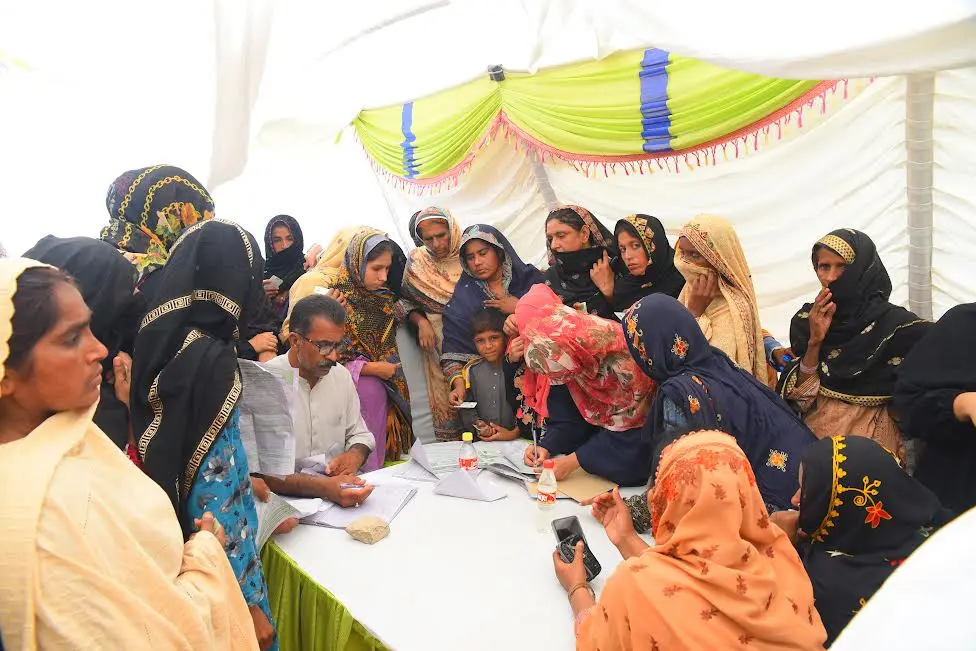
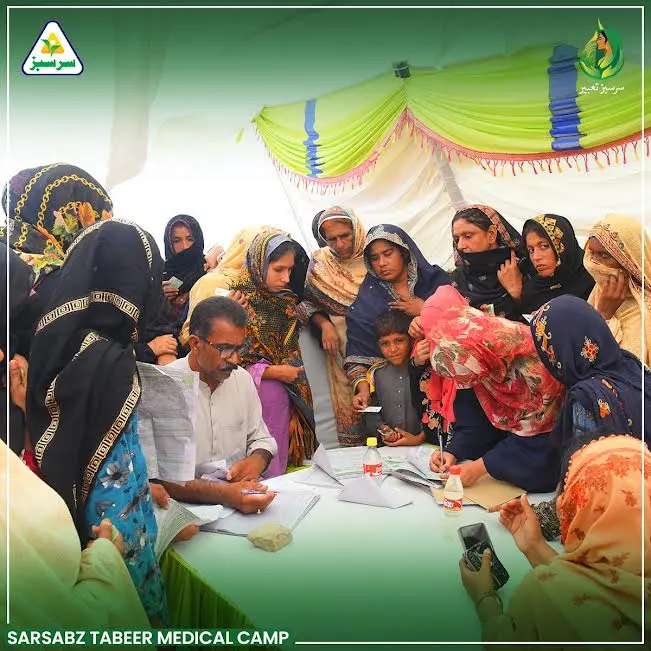
  • Fatima Fertilizer’s Sarsabz Tabeer launches healthcare initiative in collaboration with MASH and the Government of Punjab

    As part of its ongoing commitment to empower rural women and female farmers, Fatima Fertilizer, under its flagship Sarsabz Tabeer initiative, has launched a new health-focused intervention in collaboration with Mukhtar A. Sheikh Memorial Welfare Hospital (MASH) and the Government of Punjab.

    The first Free Medical Camp under this new health initiative was successfully held on June 26th at THQ Hospital Kehrorpaka, Lodhran, targeting underserved communities where access to quality healthcare remains a challenge. The camp provided free medical consultations and medicines to a total of 400 participants including female farmers, children and their families, with a panel of specialists from various fields, including Gynecology, Pediatrics, Nephrology, Family Medicine, Neurology, and Ophthalmology.

    The event was attended by Multan Division Commissioner Amir Kareem Khan, Assistant Commissioner Ashraf Saleh Khan, and Babar Khan Marketing Head, who led the camp on behalf of MASH, along with Noor Malik, Brand Manager at Fatima Fertilizer. The event saw participation from 100 female farmers, reflecting the strong community engagement and institutional support behind the initiative.

    “Sarsabz Tabeer is more than a program, it is a movement to uplift and enable the women who form the backbone of our agricultural economy, where female participation stands at a significant 67.9%,” said Rabel Sadozai, Director Marketing and Sales at Fatima Fertilizer. “By adding healthcare to our scope, we’re responding to a critical need because true empowerment is not possible without access to basic health services. This collaboration with MASH and the Government of Punjab marks an important milestone in delivering dignity, care, and opportunity to the women who grow Pakistan.”

    Building on the program’s three existing pillars, Education, Skill Development, and Financial Empowerment, Fatima Fertilizer has now introduced Health as a fourth pillar to support the holistic well-being of female farmers across Pakistan.

    Fatima Fertilizer launched the Sarsabz Tabeer program to empower female farmers and rural women through vocational training in food processing. Aimed at promoting financial independence, reducing post-harvest losses, and advancing sustainable agriculture, the initiative has trained over 2,000 female farmers and rural women across 15+ cities nationwide, helping them add value to their farm produce and establish home-based agribusinesses. To further amplify its impact, Fatima Fertilizer signed a Memorandum of Understanding (MoU) with the Akhuwat Foundation, providing female farmers with access to financial resources, mentorship, and entrepreneurial support.

    The newly launched healthcare pillar further strengthens Sarsabz Tabeer’s vision of enabling long-term socio-economic transformation for rural women. With more camps planned in the coming months, the program continues to play a pivotal role in building healthier, more resilient farming communities.

    Also Read: Just Clocked In! SONRAJ Launches Youth Circle

  • Public Awareness’s Role in Tobacco Harm Reduction

    In Pakistan, public discussions around smoking tend to focus solely on quitting. However, millions of adult smokers continue to rely on combustible tobacco, even when they are aware of its health risks.

    For those unable or unwilling to quit, smoke-free alternatives offer a science-backed, less-harmful option. Wasil Sami, a public health expert notes, “Smoke-free products have scientifically proven to cause less damage to smokers, along with providing a better alternative that has the potential to reduce burden on public healthcare systems and overall population health.”

    However, a significant gap in the public’s understanding is hindering the potential of these products to contribute meaningfully to the country’s harm reduction efforts.

    Misinformation and limited access to credible information have left many adult smokers unaware of potentially better alternatives. At the same time, unregulated products already available in the market raise the risk of misuse, particularly among youth. In this context, an outright ban on all tobacco-related products may fail to address the root causes and could unintentionally worsen the situation.

    Instead, the solution lies in developing a balanced regulatory approach that both protects public health and empowers adult smokers with these choices. Educational and awareness campaigns led by health authorities, in collaboration with relevant stakeholders, can demystify smoke-free products and clarify their role in reducing harm.

    By prioritising evidence-based awareness campaigns and thoughtful regulations, Pakistan can move toward a more effective tobacco control strategy, one that addresses the reality of long-term smoking while introducing pathways to better alternatives for adult consumers.

    Informed choice, backed by smart policy, can help bridge the gap between public health goals and the needs of adult smokers.

    Also Read: Karachi Mom Turns Moana Beach Party Dream into Reality with Temu

  • Sindh Healthcare Commission Issues Permanent Licenses to Three Healthcare Facilities

    For the first time in Mirpurkhas Division, three healthcare centers have been granted permanent licenses in recognition of their high quality healthcare services.

    With support from the Indus Health Network, the Thar Foundation Hospital in Islamkot and the Marvi Clinic located in Thar Block-2 have been granted permanent licenses. Similarly, the Site Clinic established by Sindh Engro Coal Mining Company (SECMC) in Block-2 has also been awarded a permanent license.

    According to Dr. Altaf Khawaja, Director of the Sindh Healthcare Commission, there are approximately 100,000 small and large, public and private healthcare centers in the province. Out of these facilities, only around 14,000 are registered so far and 1,200 centers have been issued temporary licenses. Only 113 centers across the province have received permanent licenses.

    Dr. Altaf Khawaja explained that the Sindh Healthcare Commission conducts regular evaluations of the services and facilities at all healthcare centers. Only those centers that consistently provide high-quality and standard healthcare services are recognized with a permanent license.

    Deputy Director of the Sindh Healthcare Commission, Faheem Abro, added that these centers operated by Thar Foundation and Indus Health Network met the stringent evaluation criteria and were granted a permanent license accordingly.

    Also Read: Data Vault Launches the Pakistan’s First AI Data Center 

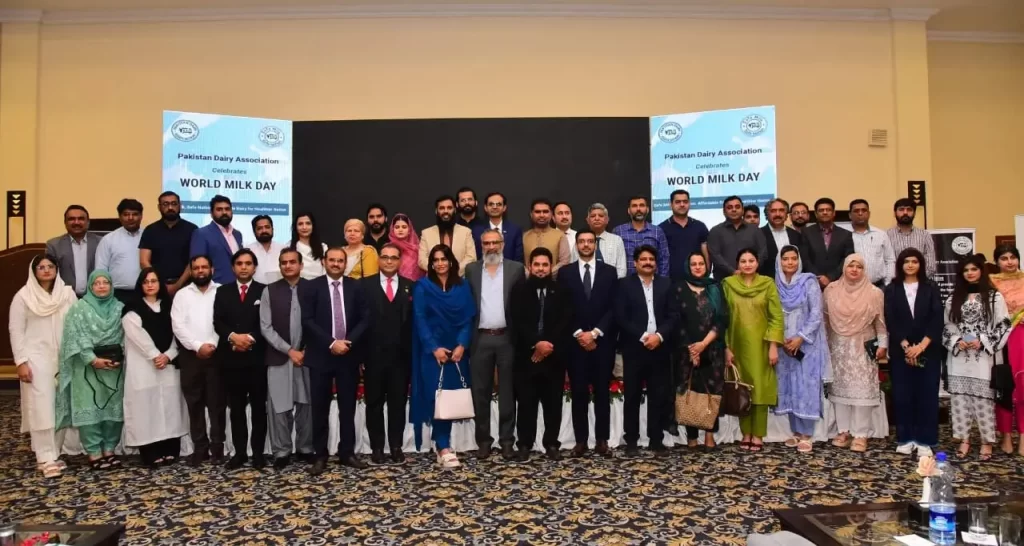
  • Pakistan Dairy Association hosts a National Seminar to celebrate World Milk Day

    The Pakistan Dairy Association (PDA) recently organized a high-level National Seminar to mark World Milk Day following the theme of “Safe Milk, Safe Nation: Affordable Dairy for a Healthier Nation.” The seminar brought together senior government officials, industry leaders, and dairy experts to promote a national transition towards safer, packaged milk and explore the strategic role of the formal dairy sector in advancing public health, food security, and sustainable economic growth.

    Dr. Shehzad Amin, Chief Operating Officer of Pakistan Dairy Association, opened the session by highlighting the importance of shifting away from the widespread use of loose, unpackaged milk, which continues to pose serious health risks due to contamination and inconsistent quality standards. He emphasized that adopting high-quality, packaged milk is essential for safeguarding public health and enabling long-term growth in the dairy sector.

    Addressing the role of dairy in fighting malnutrition, Ms. Farrah Naz, Country Director of GAIN Pakistan, highlighted the transformative potential of milk in reducing stunting, wasting, and micronutrient deficiencies in children. “Dairy is not just nutrition; it’s a lifeline,” she remarked. There is a critical need to reduce import taxes and duties on essential ingredients such as vitamin and mineral premixes, proteins, and other fortification components that are used in the production of nutritious foods. Lowering these taxes will enhance affordability and accessibility for food manufacturers, ultimately contributing to the reduction of malnutrition by ensuring that nutrient-rich food products reach vulnerable populations at lower costs.

    Adding to this perspective, Mr. Noor Aftab, Director Corporate Affairs – Pakistan & MENA at Tetra Pak, underscored the role of innovation in processing and packaging. “Milk is more than daily nutrition—it’s a foundation for public health, food resilience, and economic progress. At Tetra Pak, we remain committed to enabling safe, affordable dairy access across Pakistan through advanced technologies and industry collaboration” he noted.

    The seminar featured focused discussions on regulatory reforms, standardization, certification, and enforcement mechanisms necessary for ensuring milk safety. Key officials, including Mr. Muhammad Asim Javaid, the Director General of the Punjab Food Authority, and Mr. Saqib Ali Ateel, the Secretary for Livestock & Dairy Development, shared institutional strategies for quality assurance and public awareness. The role of the private sector in driving innovation and ensuring consistent supply of safe milk was also emphasized during various stakeholder discussions.

    A technical session on “Safe Milk and Safe Nation” addressed the affordability and accessibility of safe dairy for all citizens. Panelists explored practical pathways for making milk a fundamental right rather than a privilege and discussed how coordinated action between government, industry, and civil society can foster consumer trust in packaged milk.

    Senior government ministers representing health, education, minorities, and agriculture lent policy-level perspectives on integrating dairy development with broader social goals such as child nutrition, school milk programs, and rural economic uplift.

    By uniting public and private sector voices on a common platform, the seminar reaffirmed PDA’s commitment to accelerating the shift towards a safer, healthier, and more resilient dairy ecosystem in Pakistan.

    Also Read: AKU Welcomes New Dean for Medical College, Professor Karim Damji, a renowned clinician, will assume the new role in August 2025