Category: Health

  • Aga Khan University’s Centre of Excellence in Women and Child Health Launches Immunization Project in Balochistan

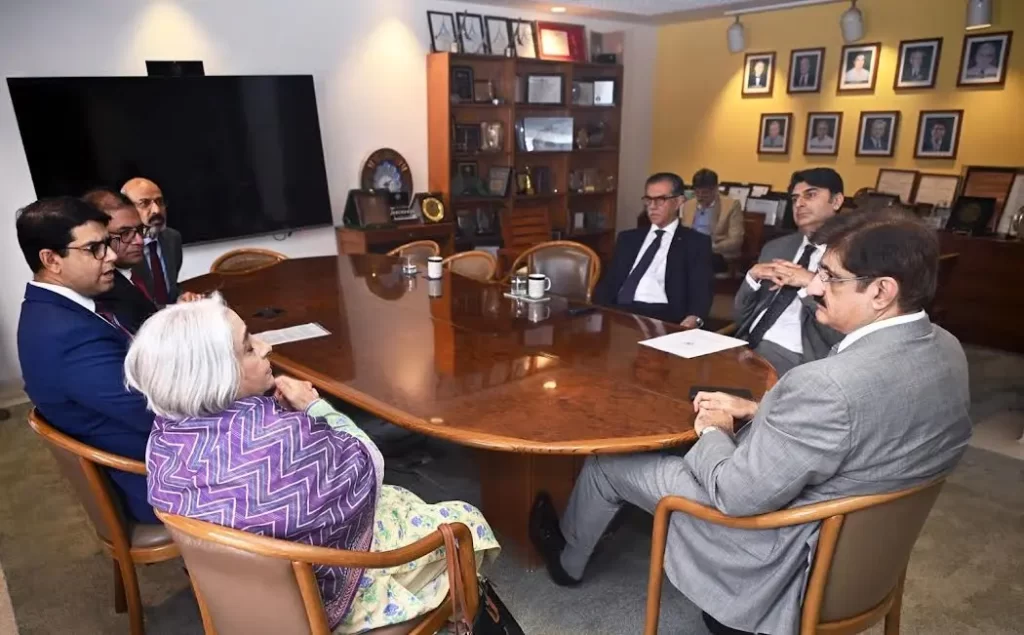
    The Aga Khan University’s Centre of Excellence in Women and Child Health (CoEWCH) at Aga Khan University, in collaboration with the Expanded Programme on Immunization (EPI) Balochistan, has launched the Strengthening Routine Immunization Project (SRIP) in Quetta.


    This project will be implemented across seven underserved districts—Quetta, Killa Abdullah, Chaman, Pishin, Mastung, Sibi, and Zhob—aiming to significantly improve routine immunization coverage and child health outcomes. Funded by the Gates Foundation, this initiative marks a critical step toward reducing immunization inequities, supporting evidence-based policymaking, and ensuring no child is left behind in these high-need areas. 


    SRIP will strengthen immunization services at fixed and outreach sites, increase community awareness through Lady Health Workers and health counsellors, and enhance monitoring and data systems. The project prioritizes accountability and collaboration with government EPI teams, leveraging the National Electronic Immunization Registry (NEIR) for real-time progress tracking.


    The launch event brought together key provincial and district health officials and representatives from global and national organizations including WHO, Gavi, and UNICEF. Distinguished attendees included leadership from the Government of Balochistan; the Director General of the Lady Health Worker Programme; senior representatives from the National Emergency Operations Center (EOC), Gates Foundation, EPI; and AKU leadership.


    A Letter of Cooperation was also signed between AKU and the Health Department. Professor Sajid Soofi, Professor of Pediatrics and Associate Director at the Centre of Excellence in Women and Child Health, signed on behalf of AKU, while Mr Mujeeb ur Rehman, Secretary of Health, Government of Balochistan, signed for the provincial government.


    Mr Imtiaz Hussain, Assistant Professor at AKU and the Principal Investigator of the project provided an overview of the project’s preparatory phase, including district-specific needs assessments, and outlined the roadmap for effective implementation. On the other hand, Dr Shabina Ariff, Professor of Paediatrics and Co-Principal Investigator of the project, extended gratitude to the Gates Foundation, EPI Programme, and the Government of Balochistan. “Time is of the essence,” she stated. “We must build a sustainable system where no child is left behind.”


    Capt. (R) Anwar-ul-Haq, Coordinator, National Emergency Operation Centre commended the collaboration between AKU and the Government of Balochistan. He expressed trust in AKU’s capacity to deliver impactful results, based on its strong presence in hard-to-reach areas of South KP. He also emphasized the complementary role of the Polio Eradication Programme and called for strengthened routine immunization as a cornerstone for achieving polio eradication.


    Mr Mujeeb ur Rehman thanked the Gates Foundation, AKU, and health leadership at all levels for their dedication and collaboration. He emphasized the significance of SRIP in enhancing healthcare delivery in marginalized areas and announced upcoming digital innovations, including AI-enabled surveillance systems in tertiary care hospitals to improve monitoring and accountability.

    Also Read: The Aga Khan University Approved as Official Site for MRCP(UK) PACES Examination
  • HomePure Zayn Air Purifier Supports Healthier Homes Amid Indoor Air Quality Concerns

    With growing global attention on air pollution and its health impacts, the HomePure Zayn air purifier is emerging as a practical tool for families seeking to improve indoor air quality. Designed to address the often-overlooked issue of indoor air pollution—frequently five times worse than outdoor air—the device is being used in homes across multiple countries to support cleaner, safer living spaces.

    HomePure Zayn Air Purifier features a six-stage filtration system capable of removing 99.94% of airborne viruses, including SARS-CoV-2 variants, and 99.8% of allergens, particulate matter, and volatile organic compounds (VOCs). Its performance has been independently verified and certified by the European Centre for Allergy Research Foundation (ECARF), adding to its credibility as a health-supporting household device.

    “What sets HomePure Zayn apart is its exclusive Amezcua Card. This proprietary technology purifies and energises the air, enhancing overall well-being. By harmonising air molecules, the Amezcua Card creates a revitalised indoor atmosphere, with users reporting benefits like better sleep, improved mental clarity, and refreshed energy,” said Trevor Kuna, a spokesperson for HomePure.

    Approximately 1,500 families worldwide have adopted the unit as part of their approach to wellness. Its combination of high-efficiency filtration and low-maintenance operation makes it particularly useful for households with children, older adults, or individuals with respiratory sensitivities.

    Over seven million premature deaths each year are caused by air pollution, according to the World Health Organization highlighting the urgent need for effective air quality solutions. Devices like the HomePure Zayn offer one of the most accessible ways for individuals to reduce exposure to indoor pollutants and support long-term health.

    Also Read: BYD|MMC Partners with HUBCO Green to Launch Pakistan’s Largest NEV Charging Network

  • Aga Khan University Hospital Marks World Immunisation Week with Community Engagement and Awareness Events

    The Aga Khan University Hospital’s Department of Paediatrics and Child Health, in collaboration with the Department of Pharmacy, celebrated the World Immunisation Week with a series of impactful events aimed at promoting awareness and encouraging collective action for vaccination.

    World Immunisation Week, observed globally from April 24 to 30, is a vital opportunity to highlight the life-saving power of vaccines and the critical role they play in protecting individuals and communities from preventable diseases. This year’s theme, “Immunisation for All is Humanly Possible” underscores the unified efforts from healthcare providers, patients, and the broader community in ensuring that no one is left behind in accessing immunisation services and the ongoing importance of it.

    The first event to mark this week at AKUH was led by the Department of Paediatrics and Child Health team, led by Dr. Fyezah Jehan, Professor and Chair, and Dr. Ali Faisal Saleem, Vice Chair and Associate Professor. The ceremony featured a symbolic cake cutting and a call to action for continued commitment to child health and immunisation advocacy.

    In his remarks, Dr. Ali Faisal Saleem, stated, “Vaccination is one of the most cost-effective public health interventions in human history. Through this week, we want to remind everyone, from healthcare workers to families, that timely immunisation saves lives and secures a healthier future for generations to come.”

    A second celebration followed at the Community Health Centre (CHC) Pharmacy. The event was led by Syed Shamim Raza, Director of Pharmacy, AKUH and Khairunnissa Hooda, Chief Nursing Officer, AKUH. The event was also attended by immunisation nurses – the unsung heroes at the forefront of safeguarding public healthr, along with some patients.

    Speaking at the event, Syed Shamim Raza recognised this key team, “Our immunisation nurses work tirelessly to protect the community. This week is a tribute to their dedication and a reminder of our collective responsibility to fight vaccine-preventable diseases. Pharmacy’s role in this journey is not just about the medicines — it’s about education, accessibility, and trust.”

    The events drew attention to the broader immunisation efforts at Aga Khan University Hospital and served to appreciate the dedication of frontline healthcare teams. The celebrations also aimed to inspire more people to understand the importance of vaccines in preventing illness and promoting overall community health.

    Also Read: AKU, Local and Global Partners Launch Landmark Malaria Elimination Project in Thatta

  • AKU, Local and Global Partners Launch Landmark Malaria Elimination Project in Thatta

    The Aga Khan University (AKU) marked World Malaria Day with the launch of the Thatta Malaria Elimination Plan (TMEP), a pioneering project designed to eliminate malaria from one of Pakistan’s most malaria-affected regions. In 2023 alone, Thatta reported over 10,000 cases — the highest burden in the country.

    Malaria continues to be a global health crisis, with 247 million cases and 619,000 deaths reported worldwide. In the South-East Asia region, Pakistan remains a significant contributor to ongoing transmission, with 95% of the country’s population at risk. The disease not only places immense pressure on the health system but has severe repercussion on the nation’s social and economic development.

    “This is not just a health issue,” said Prof. M. Asim Beg, Principal Investigator and TMEP Project Lead. “It’s a multidimensional challenge driven by socioeconomic vulnerabilities, post-flood consequences, limited healthcare access, and climatic changes that allow the disease to thrive. Thatta is an ideal region to pilot diverse intervention strategies.”

    The launch event also introduced the Malaria Elimination Consortium, established by AKU in 2023 to support the national elimination strategy. The Consortium laid the foundation for the TMEP as a locally grounded, data-driven response to malaria elimination. The TMEP’s vision is ambitious – to transform Thatta into a malaria-free zone and create a replicable, sustainable model for elimination that can be scaled across Sindh, Pakistan, and other malaria-endemic regions globally.

    Led by AKU, the Plan was established in collaboration with the Government of Pakistan, the Government of Sindh, and the Directorate of Malaria Control. It is also backed by several international partners including GLIDE, Zenysis Technologies, and Universidade NOVA de Lisboa. Together, they bring financial resources, data and technology expertise, and global insights to the project.

    The TMEP is also strengthening collaboration between national, provincial, and district-level actors, setting the stage for future scale-up across the country. Dr Azra Pechuho, Sindh’s Minister for Health and Patron-in-Chief of the project, praised the partnership saying, “The Government of Sindh is proud to support this incredible initiative, which has the potential to uplift suffering communities across Sindh.”

    The Plan will also integrate findings from the international EFFORT clinical trial, which introduced novel treatment options for malaria. These new methods hold strong potential in solving one of malaria’s longstanding challenges in Pakistan – treatment abandonment. Dr Salim Virani, Vice Provost Research at AKU, shared, “What made this trial unique was our commitment to testing treatment options as close to real-world conditions as possible.

    Conducted in Karachi and Thatta — two malaria hotspots — the trial found that two new treatments dramatically reduced recurrence rates. One treatment in particular – a single-dose of Tafenoquine – shows great promise for malaria control in Pakistan.”

    The Thatta Malaria Elimination Plan aligns perfectly with this year’s World Malaria Day theme “Malaria Ends With Us: Reinvest, Reimagine, Reignite.” The project also aims to achieve a strengthened health system with increased capacity for malaria diagnosis, treatment, and surveillance and a greater community involvement in malaria prevention and control, leading to long-term behavioral change and ownership at the grassroots level.

    Also Read: Every Bite Counts – Protecting Pakistan’s Children from Malaria

  • Every Bite Counts – Protecting Pakistan’s Children from Malaria

    ChildLife Foundation is sounding the alarm on malaria’s growing threat to Pakistan’s children, as the disease becomes increasingly endemic across the country. On World Malaria Day, ChildLife Foundation is calling urgent attention to the continued burden of malaria on Pakistan’s youngest and most vulnerable citizens. Despite being entirely preventable and treatable, malaria remains one of the leading killers of children under five in Pakistan and globally.


    In 2023 alone, over 597,000 people died from malaria worldwide—77% were children under the age of five. In Pakistan, the threat is rapidly escalating, with 3.4 million suspected and 2.7 million confirmed cases reported. The presence of both Plasmodium falciparum and Plasmodium vivax strains, particularly in Sindh, Balochistan, and Khyber Pakhtunkhwa, makes children more vulnerable to severe outcomes, including coma and death.


    “A single mosquito bite should not decide a child’s fate,” said Dr. Irfan Habib, Medical Director of ChildLife Foundation. “This World Malaria Day, we urge all sectors—public, private, and media—to join hands in preventing unnecessary deaths.”


    ChildLife Foundation operates in 14 Pediatric Emergency Rooms (ERs) and over 300 telemedicine satellite centres in government hospitals, forming a national safety net for critically ill children. In 2024, ChildLife treated more than 15,600 children for malaria, offering immediate, lifesaving care. ChildLife ERs are equipped for rapid diagnosis and standardized treatment for severe cases and supportive care with fluids, transfusions, monitoring, and prevention counseling for every caregiver at discharge.


    Children are most at risk of malaria due to a combination of environmental, social, and healthcare challenges. In low-income areas, stagnant water, poor sanitation, and substandard housing create ideal conditions for mosquito breeding. Many families lack awareness about early symptoms and simple prevention methods, making timely intervention difficult. Climate change is further worsening the situation—floods and rising temperatures are accelerating mosquito reproduction. In remote districts, delays in accessing emergency care often turn treatable infections into life-threatening emergencies for young children. Early signs include fever with chills, vomiting, lethargy, and body aches. Severe symptoms—such as seizures, unconsciousness, jaundice, or tea-colored urine—warrant an urgent ER visit.


    At ChildLife’s ER, attendants receive essential counseling on malaria prevention to protect their children from future infections. This includes guidance on using insecticide-treated mosquito nets and repellents, dressing children in full-sleeved clothing during the evening hours and removing stagnant water around the home to eliminate mosquito breeding grounds. Parents are also advised to use mosquito coils or plug-in repellents to reduce exposure indoors.


    ChildLife Foundation calls on stakeholders to reinvest in frontline emergency and pediatric care, reimagine public health education and early detection, reignite coordinated action with government, civil society, and media. Every day, children in Pakistan are brought to emergency rooms fighting for their lives against malaria—a disease that is preventable yet continues to claim young lives. This World Malaria Day let’s ensure that no child in Pakistan dies from a mosquito bite.

    Also Read: National Symposium on Primary Health Care Brings Stakeholders Together to Advance towards Universal Health Coverage

  • Lucky Cement Limited organizes Heart Screening Camp near Pezu Plant

    Lucky Cement successfully concluded a heart screening camp from April 15 to 17, 2025, for the residents of the communities surrounding its Pezu Plant. Conducted in partnership with Tabba Heart Institute, a renowned name in cardiac care, the camp offered vital heart health services as part of the Company’s ongoing commitment to preventive healthcare.


    The camp witnessed an overwhelming response from the local population, with over 600 individuals screened during the three-day initiative. Among the total beneficiaries, more than 130 echocardiograms (echos) and nearly 180 electrocardiograms (ECGs) were conducted, along with routine cholesterol screening, blood pressure monitoring, and consultations with experienced cardiologists.


    This impactful initiative is a reflection of Lucky Cement’s dedication to creating healthier communities and ensuring access to quality medical services in underserved areas. By collaborating with top-tier healthcare institutions such as Tabba Heart Institute, Lucky Cement continues to play an active role in improving lives and enabling early detection of serious health conditions.


    The camp was met with widespread appreciation from the local residents, many of whom were able to receive specialized cardiac consultations for the very first time. Lucky Cement remains committed to supporting meaningful healthcare programs that drive long-term community well-being.

    Also Read: LUCKY CEMENT LIMITED ANNOUNCES A 5 FOR 1 STOCK SPLIT 

  • National Symposium on Primary Health Care Brings Stakeholders Together to Advance towards Universal Health Coverage

    Aga Khan University (AKU), in partnership with the Federal Ministry of National Health Services Regulation and Coordination and Provincial Health Departments, hosted the Primary Health Care (PHC) Symposium, as part of the PHC Learning Agenda (PLA) Initiative. The event brought together government leadership policymakers, health experts, and development partners to explore innovative solutions and research-driven strategies for achieving Universal Health Coverage through a PHC approach.

    “Improving access to quality primary health care services is a key priority. This initiative allows us to learn from successful models and ensure that no community is left behind,” said Murad Ali Shah, Chief Minister of Sindh. “I commend the collaboration between academia, development partners and provincial governments to strengthen PHC.”
    PHC is the backbone of Pakistan’s health system, especially in rural areas, where over 60% of the nation’s population live. Investing in and improving PHC is a cost-effective way to reduce disease burden, enhance health outcomes, and promote equity.

    “At Aga Khan University, we believe that primary health care is not just a component of the health system — it is its very foundation,” said Dr. Sulaiman Shahabuddin, President of AKU. “It is the path to a future where health systems are people-centered, and where care is accessible and equitable. That is the kind of system we need if we are to achieve universal health coverage and the health-related Sustainable Development Goals in Pakistan. Through initiatives like the PHC Learning Agenda, we are working hand in hand with national partners to generate evidence and insights that can transform policy and practice across Pakistan. This symposium is a collective reaffirmation of our shared commitment to ensuring that no one is left behind.”

    The symposium highlighted five priorities for strengthening PHC: integrating health and population services to address rapid population growth; reconfiguring PHC to tackle non-communicable diseases and mental health; partnering with the private sector; improving service quality; investing in domestic health financing and reducing reliance on external aid.

    Backed by the Gates Foundation, UNICEF, and the World Bank, the symposium also featured discussions around financing, governance, health information, quality of care, and community engagement, all vital to advancing universal health coverage and achieving health-related Sustainable Development Goals (SDGs). Importantly, the event brought together senior representatives from federal, provincial, and district health offices.

    “Primary health care is central to achieving universal health coverage and health-related SDGs,” stated Federal Minister Syed Mustafa Kamal in a pre-recorded video message. “The government remains committed to prioritizing PHC reforms by strengthening public private partnership, benefiting from digital health, and ensuring that every Pakistani has access to essential health services. This symposium is a step forward in uniting our efforts toward this goal.”

    Prominent figures in attendance included Syed Murad Ali Shah, Chief Minister of Sindh; Dr Mukhtar Ahmed Bharath, Minister of State for Health; Dr. Azra Pechuho, Minister of Health, Government of Sindh; Mr. Imran Nazir, Minister of Health and Population, Government of Punjab; Mr. Bakht Muhammad Kakar, Minister of Health, Government of Balochistan; and Mr. Ihtisham Ali, Advisor to the Chief Minister, Government of Khyber Pakhtunkhwa—reflecting a high-level commitment to PHC across all provinces.

    The PHC Learning Agenda is a two-year initiative led by AKU and supported by the Gates Foundation, aimed at generating evidence and enabling cross-provincial learning to enhance PHC readiness and resilience.

    Also Read: EFFORT Global Clinical Study Chart New Course for Malaria Control in Pakistan

  • Exploring the Future of Psychoanalysis in Pakistan

    In an ambitious effort to cultivate psychoanalytic thinking in Pakistan, the Aga Khan University’s Faculty of Arts and Sciences (FAS) has partnered with the Department of Psychology at the University of Exeter, to host an international conference titled “Journeying Beyond the West: Can Psychoanalysis Find New Roots in Pakistan?” at AKU’s Stadium Road campus in Karachi.

    Psychoanalysis is a type of therapy that not only gives relief from mental health issues, but also helps people know more about themselves, and make better choices in life. While Pakistan has no formal history of psychoanalysis, practitioners, and theorists with a keen interest in psychoanalysis exist across the country. The three-day conference serves to unite them along with other clinicians, scholars, and artists to create an inclusive space for further inquiry and practice of psychoanalysis.

    “Psychoanalysis is often assumed to belong solely to the West, but its emphasis on speech, subjectivity, and the unconscious knows no borders,” said Dr Duane Rousselle, Associate Dean of Research and Associate Professor at FAS and lead organizer of the conference. “Psychoanalysis is an urban city phenomenon, and Karachi is an urban mega city.”

    Speakers included distinguished local thinkers and practitioners, as well as members of the British Psychoanalytic Association and the New Lacanian School. Their aim was to identify and understand the traces of a psychoanalytic presence in Pakistan. Discussions also centred on clinical and theoretical ideas relevant to Pakistan and its diaspora, and the potential for establishing psychoanalytic training programmes, inviting participants to contribute to shaping the future of this field in the country.

    “The event responds to a growing but unmet demand for serious intellectual forums on psychoanalysis in Pakistan, particularly in urban centres like Karachi,” said Dr Stephen Lyon, Dean of the Faculty of Arts and Sciences. “It also reflects FAS’s commitment to making space for new conversations within the liberal arts in Pakistan. We’re proud to be part of this pioneering effort.”

    Read More: EFFORT Global Clinical Study Chart New Course for Malaria Control in Pakistan

  • EFFORT Global Clinical Study Chart New Course for Malaria Control in Pakistan

    The findings of a major international clinical trial EFFORT, recently presented at a conference hosted by Aga Khan University (AKU), offer new hope for the global fight against Plasmodium vivax malaria – the most prevalent strain in Pakistan accounting for over 80% of cases in the country. The results hold significant promise for transforming how the disease is treated and, ultimately, eliminated.

    Plasmodium vivax poses a particular challenge to malaria control because it can lie dormant in the liver and cause relapses weeks or months after the initial infection. In Pakistan, one of the greatest hurdles to malaria control is ensuring that patients complete their full course of treatment — making effective and simpler treatment options urgently needed.

    The five-year trial compared three treatment approaches: the current global standard of low-dose primaquine (taken over 14 days), a shorter, high-dose primaquine regimen (7 days), and a single-dose of tafenoquine. Conducted in Karachi and Thatta — two malaria hotspots in Sindh — the trial’s findings were clear: the latter two treatments significantly reduced the rate of malaria recurrence, with tafenoquine showing particularly strong potential for malaria control in Pakistan.

    “Malaria is more than just a disease — it’s an economic, political, and social challenge,” said Prof Kamala Thriemer, a global malaria expert from the Menzies School of Health Research and chief investigator for the EFFORT trial. “What made this trial unique was our commitment to testing treatment options as close to real-world conditions as possible. We focused on unsupervised regimens and tracked patients over time, including treating recurrences.”

    The event included a panel discussion featuring representatives from the federal government, the provincial governments of Sindh and Baluchistan, AKU, and international experts. Together, they explored how to translate these findings into concrete policy changes and implementation strategies — from domestic drug manufacturing to funding, training, and public outreach.

    Prof Dr M. Asim Beg from AKU highlighted the human impact behind the data. “We are proud to serve communities like Thatta — some of the most impoverished, but also the most resilient, in the country. Achieving elimination will take collective willpower and a unified approach at every level.”

    The EFFORT trial was conducted by a consortium of partners including the Menzies School of Health Research, MORU Tropical Health Network, Maastricht University, The University of Melbourne and AKU. The trial was funded by the Bill & Melinda Gates Foundation, and Australia’s National Health and Medical Research Council (NHMRC). Its findings are expected to influence global treatment recommendations by supporting the rollout of more effective radical cures.

    Also Read: Headstart School Participates in World Autism Day Awareness Session at Shifa International Hospital

  • Headstart School Participates in World Autism Day Awareness Session at Shifa International Hospital

    Headstart School members proudly participated in an awareness session organized by Shifa International Hospital in commemoration of World Autism Day. The event, held at the CO Hall of Shifa International Hospital, aimed to promote awareness, understanding, and inclusivity for individuals on the autism spectrum.

    Emaan Zainab Hashmi, an MYP4 (Grade 9) student from Headstart Kuri Campus, also spoke at the event, sharing her thoughts and perspectives on the significance of autism awareness. Also speaking at this event alongside specialists, parents and educators was Nadine Murtaza, who shared her experiences supporting children on the spectrum as both a mother and a teacher.

    The session featured a series of insightful presentations and heartfelt journeys, including contributions from medical professionals who have helped to establish autism services at Shifa, a pioneering effort in Islamabad. Ms. Nadine Murtaza shared her experiences working in inclusive classrooms and the powerful benefits that inclusion of differently-abled students has on neurotypyical students, in terms of building their empathy, sense of awareness and responsibility.

    The event concluded with a group photograph and a souvenir presentation to the chief guest. Headstart School remains dedicated to collaborating with organizations and institutions to drive positive change and create a more inclusive future for all.

    Also Read: First Model WHO at AKU: Student-led Simulation of the Health Assembly