Category: Health

  • Hemani’s Dr. Herbalist Unveils New TVC with Brand Ambassador Wasim Akram in a Bold New Avatar 

    Hemani’s Dr. Herbalist has launched an exciting new TVC for its Shilajit Gummies, featuring the legendary cricketer and brand ambassador Wasim Akram in a never-seen-before avatar of a Kung Fu master. The campaign delivers a powerful message of strength, stamina, and natural vitality, values that are embodied both by the Shilajit herb and by Akram himself.

    The Kung Fu master portrayed by Wasim Akram symbolizing discipline, energy, and peak performance. His striking new persona reflects the herbal power of Shilajit Gummies, designed to help consumers unlock their inner strength and elevate their lifestyle with a natural edge.

    As the brand ambassador, Wasim Akram perfectly represents the values of Dr. Herbalist by Hemani – resilience, energy, and holistic wellness while his new Kung Fu avatar is a creative way to inspire people to embrace herbal vitality and live life with power and balance.

    Wasim Akram, globally celebrated as the Sultan of Swing, continues to inspire generations not only through his sporting legacy but also through his commitment to health and well-being. By joining forces with Hemani’s Dr. Herbalist, he reinforces the importance of herbal solutions in achieving lasting stamina and strength.

    The campaign is live across TV, digital and social media platforms, inviting audiences to “Elevate your lifestyle, the Wasim Akram way” and power up their wellness experience with the herbal goodness of Shilajit Gummies.

    Also Read: Aga Khan University Launches Landmark Campus in Uganda, Marking Its Largest Expansion Since 1983 

  • Aga Khan University Launches Landmark Campus in Uganda, Marking Its Largest Expansion Since 1983 

    The Aga Khan University (AKU) officially inaugurated its new campus in Kampala, Uganda, today, a historic moment that marks the University’s first full-scale campus development outside of Pakistan since its founding.

    The inauguration of the new academic facilities and student residences was presided over by AKU’s Chancellor, His Highness the Aga Khan, and the President of Uganda, His Excellency Yoweri Kaguta Museveni. The event also marked the commencement of construction for the Aga Khan University Hospital, Kampala. Dignitaries present included Her Excellency the First Lady, Honourable Janet Museveni, along with AKU Pro-Chancellor Princess Zahra Aga Khan and Prince Aly Muhammad Aga Khan.

    This new-site development is the most significant undertaking by AKU since its establishment in Pakistan in 1983. It is a direct fulfillment of the original Charter granted by the Government of Pakistan, which designated AKU as an international university. The land was generously provided by the Government of Uganda through President Museveni. Funding for construction was provided by the University’s Chancellor, generous donors and the Government of Germany’s BMZ and KfW.

    “At this campus, AKU will invest in developing the potential of Ugandans,” His Highness the Aga Khan said. “My hope is that ambitious young people and skilled professionals will not need to leave their home country to study or practice at the highest level. And many Ugandans will not have to travel abroad to obtain advanced health care.” 

    The 60-acre campus, located in the Nakawa area, features state-of-the-art facilities, including a seven-storey University Centre, a nine-storey student housing building, and a four-storey ambulatory care building. At full capacity, the campus will serve 700 students and be home to 100 faculty members. Later this month, the first cohort of undergraduate students will begin the new four-year Bachelor of Nursing Science programme, building on AKU’s legacy of graduating over 1,500 Ugandan nurses.

    The 101-bed Aga Khan University Hospital, Kampala, will enable Ugandans to receive advanced medical care locally and train the next generation of healthcare specialists. Once complete, the hospital will be integrated into the Aga Khan Development Network’s (AKDN) health and education system across East Africa. 

    “With these academic, residential and clinical foundations, we will expand our School of Nursing and Midwifery in Kampala, building on more than two decades of work and 1,500 Ugandan graduates,” said Dr Sulaiman Shahabuddin, AKU Vice Chancellor and President. “For the first time in Uganda, AKU will also train physicians and launch postgraduate medical education in many needed fields such as surgery, cardiology and others.”


    In a special segment of the ceremony, His Highness the Aga Khan was conferred with the Most Excellent Order of the Pearl of Africa (Grand Master), Uganda’s highest civilian honour, by President Museveni. This prestigious decoration recognizes His Highness’s distinguished services to the nation and his leadership in advancing social and economic development. Princess Zahra was also honoured with the Excellent Order of the Pearl of Africa (Grand Commander) for her long-standing contributions to health, education, and women’s empowerment.

    AKU has maintained a presence in Uganda and the East African region since 2000. Its developments in these countries have benefited immensely from the foundational knowledge, capacity, and technological advancements pioneered and established in Pakistan.

    Also read: New NICU at Aga Khan Maternal and Child Care Centre Brings State-of-the-Art Neonatal Care to Hyderabad

  • Provincial Advocacy Seminar on Elimination of Cervical Cancer through HPV Vaccine Held in Lahore

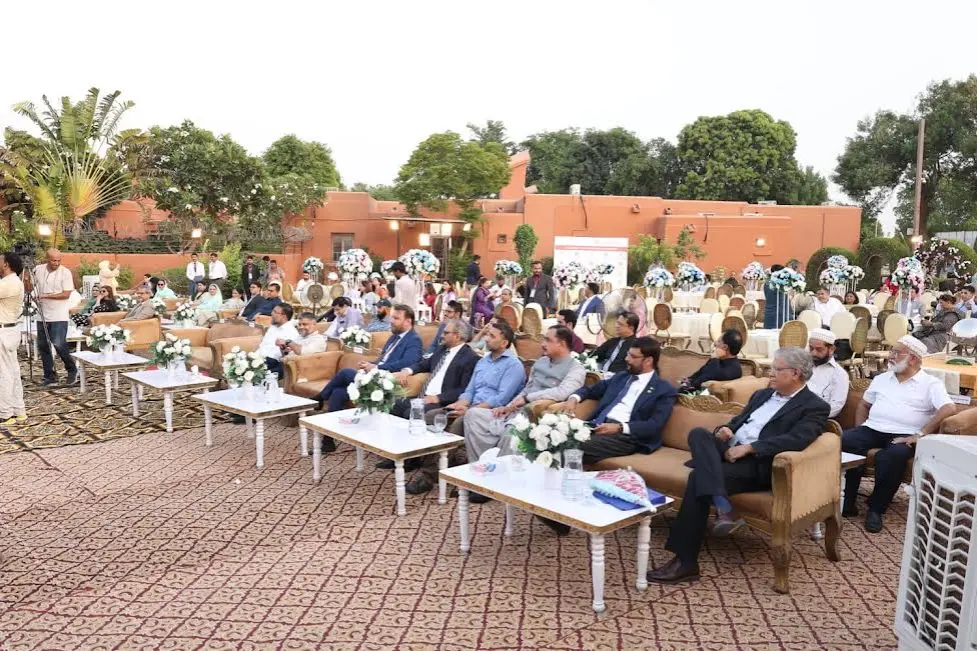
    A Provincial Advocacy Seminar on the elimination of cervical cancer through the introduction of the HPV Vaccine in Punjab was organized by EPI Punjab in collaboration with UNICEF at a local hotel in Lahore.

    The seminar was chaired by Dr. Samra Khurram, Director EPI Punjab, and attended by a distinguished panel including Prof. Dr. Tariq Iqbal Bhutta, senior public health expert and former Chair of NITAG; Dr. Qurat-ul-Ain Ahmed, UNICEF Health Team Lead; Dr. Noreen Zafar, Country Ambassador of the International Papilloma Virus Society; and Dr. Irtaza Ahmed, Technical Focal Person Gates Foundation Punjab.

    The event drew participation from senior health managers, medical experts, representatives of the School Education and Auqaf Departments, professional medical associations, religious leaders, private school federations, and development partners. A large number of female students also marked their presence, adding vibrancy to the seminar.

    Addressing the gathering, Dr. Samra Khurram highlighted the importance of collective responsibility in ensuring the success of the upcoming HPV Vaccination Campaign, aimed at protecting girls aged 9–14 years against cervical cancer. Other speakers, including Prof. Dr. Shakeela Zaman, Dr. Saira Afzal, Dr. Muhammad Tariq Mian, Dr. Kaleem Malhi, Allama Mukhtar Ahmed Nadeem, and Mr. Kashif Mirza, endorsed the campaign and pledged full institutional support.

    The seminar concluded with the presentation of souvenirs to the speakers and certificates to female students for their active participation. The event was widely hailed as a milestone in mobilizing multi-sectoral support for cervical cancer prevention in Punjab.

    Also Read: New NICU at Aga Khan Maternal and Child Care Centre Brings State-of-the-Art Neonatal Care to Hyderabad

  • New NICU at Aga Khan Maternal and Child Care Centre Brings State-of-the-Art Neonatal Care to Hyderabad

    The Aga Khan Maternal and Child Care Centre (AKMCCC), Hyderabad, has inaugurated a state-of-the-art Level II Neonatal Intensive Care Unit (NICU). This facility brings specialised treatment closer to home, ensuring that families in Hyderabad and nearby districts no longer need to travel to Karachi or other cities when their newborns require critical care.

    Pakistan faces one of the highest rates of newborn mortality in the world. Each year, more than 246,000 newborns die due to preventable complications — an average of 675 babies every day within their first month of life (WHO, 2025). A major factor behind this crisis is the limited availability of advanced neonatal facilities outside major cities. By establishing this NICU in Hyderabad, AKMCCC is addressing this gap and ensuring that families in the region have timely access to life-saving care without the burden of long and costly travel.

    The new NICU is equipped with advanced technology to support newborn babies who need help with breathing, including specialised oxygen therapies. It also provides treatments and procedures vital for newborns in critical condition. By making such care available in Hyderabad, the facility will help reduce delays, ease the burden on families, and give fragile newborns the best possible start in life.

    “This new NICU represents hope for countless families,” said Mr. Kashif Ali Shoro, Mayor of Hyderabad and chief guest at the inauguration. “It will save lives and bring life-saving care closer to home for the people of Hyderabad and surrounding areas.”

    “Too many newborns in Pakistan lose their lives to preventable complications simply because specialised care is not available close to where they are born,” said Dr. Farhat Abbas, CEO, AKU Health Services, Pakistan. “This NICU will ensure that premature and critically ill babies in Hyderabad and surrounding areas have access to the same high-quality care that saves lives in major cities.”

    Since joining the Aga Khan University Hospital network in 2010, AKMCCC has earned a reputation as a trusted provider of care for women and children. The Centre holds SafeCare Level 5 certification, the highest international recognition for excellence in patient safety and quality. Building on this strong foundation, the launch of the new NICU marks the latest step in AKMCCC’s ongoing commitment to advancing neonatal care in Hyderabad.

    “AKMCCC’s new NICU is a major milestone in bringing specialised neonatal care closer to families in Hyderabad,” said Dr. Mairaj Shah, COO, AKU Off-Campus Hospitals. “Our aim is to provide timely, high-quality care while strengthening AKMCCC’s role as a centre of excellence for women and children in the region.”

    The inauguration ceremony was attended by civic leaders, senior representatives of the Sindh Healthcare Commission, and leadership and doctors from the Aga Khan University Hospital. Their presence underscored the shared commitment to strengthening maternal and child health services in the region.

    Also Read: AKU’s Foundations for Health and Empowerment initiative (F4HE) successfully concludes its five-year programme

  • AKU’s Foundations for Health and Empowerment initiative (F4HE) successfully concludes its five-year programme

    The Aga Khan University’s Foundations for Health and Empowerment (F4HE) initiative successfully ended its five-year tenure of nationwide research and implementation projects in newborn health, and parents’ mental and physical health. F4HE is a multi-country, cross sectoral initiative, implemented in Afghanistan, India, Kyrgyzstan, Pakistan, and Tajikistan, and co-funded by Global Affairs Canada and the Aga Khan Foundation Canada. 

    “In our projects across Pakistan and the neighboring region, we saw how development and research inform each other,” said Dr Anjum Halai, Professor and Vice Provost for AKU in Asia and UK. “This is not research as an afterthought, it is woven into the fabric of the project on women’s empowerment, well-being, and health. Guided by the PPPP framework  – Passion, Partnership, Purposeful, Publications – we advanced both knowledge creation and its dissemination.” 

    In Pakistan, the initiative was led by distinguished faculty from AKU in close partnership with Aga Khan Development Network, with the body of work addressing critical issues in maternal, neonatal, child and adolescent health, mental health, cancer, and digital health innovation in fragile and resource-limited settings particularly in Gilgit, Baltistan and Chitral (GBC). 

    Complementing these efforts, the project supports early childhood development (ECD) by integrating health, nutrition, and psychosocial care for children and caregivers, laying a strong foundation for lifelong well-being. Certain segments of the commissioned research also covered Afghanistan as a geographic area, contributing valuable cross-border insights into digital health systems and early childhood development. 

    The dissemination seminar brought together researchers and experts from a broad range of study areas to share their findings and recommendations to improve Pakistan’s health ecosystem. From high-risk pregnancies and cervical cancer screenings to digital health care access, the seminar presented critical focus areas that require collective effsorts from relevant public and private stakeholders to improve awareness and ensure better health outcomes. 

    “F4HE integrates gender equality, health, and civil society engagement to improve the health of mothers and their children, supporting research and innovation to inform policies and practices for equitable and inclusive health systems, particularly in underserved and remote areas.” said Dr Sajid Soofi, Professor, AKU Department of Child Health, while commenting on the conclusive seminar.

    Also Read:  Free Mother’s Day Health Camp Held at the Aga Khan Maternal and Child Care Centre, Hyderabad

  • New study by AKU reveals one in four children in Karachi at high risk of developmental delays

    A new study by the Aga Khan University has found that one in four children aged 3 to 8 attending public schools in Karachi are at risk of developmental delays. Children from low-income families and ethnic minority backgrounds are especially vulnerable. 

    Research was conducted among children in Katchi, grade 1, and grade 2, measuring them in each of five developmental domains—social and emotional, physical, language, cognition, and communication skills. It was found that 28% of children were vulnerable in at least one of these domains, while about 10% struggled in all five. Pashtun children exhibited the highest vulnerability rates across all domains, measured by Early Developmental Index (EDI) compared to Urdu, Sindhi, Punjabi, Balochi, and other speakers. Boys were also found to be significantly more likely to be vulnerable than girls. 

    The study revealed that overall, children’s developmental vulnerability is shaped by a combination of gender, family income, and ethnic background. Identifying these gaps early is important as it can inform strategies that systematically protect and support the healthy development of all children in society. The study also called for imminent actions like targeted programs and policies that can support vulnerable children, laying the foundations for a developmentally healthier next generation. 

    “An individual’s early years are their most sensitive period, where the most rapid growth and development occurs,” says Dr Seema Lasi, Assistant Professor at Aga Khan University and co-author of the research study. “A child’s developmental health is deeply influenced by their parents, teachers and the social and environmental factors they grow up in. When we invest in early learning and create safe, nurturing environments, we lay the foundation for healthier, more resilient generations.”

    “Children thrive when they are supported by both quality education and a stable, nurturing home,” says Dr Salman Kirmani, Director, Centre of Excellence – Women & Child Health, and Interim Director, Human Development Programme, Aga Khan University. “Developmental health isn’t just a medical concern; it’s a societal responsibility that begins at home and extends to every classroom.’

    Also Read: AKUH Wins Prestigious Platinum Award for Heart Attack Care — Third Consecutive Year

  • New Report Reveals How Pakistan’s Nurses Can Drive Economic Growth and Global Impact

    A report of national significance was launched today by the Pakistan Business Council (PBC) and Aga Khan University’s (AKU) School of Nursing and Midwifery, Pakistan, highlighting the untapped potential for Pakistan’s economic future: its nursing workforce. The report, titled ‘Pakistan’s Nursing Workforce – Export Potential and Challenges’, outlines how strategic investment in nurses can strengthen the nation’s healthcare system, boost the economy, and enhance Pakistan’s international reputation.

    “The migration of nurses from Pakistan is driven by pull and push factors,” shared Dr Salimah Walani, Dean of AKU’s School of Nursing and Midwifery, Pakistan. “We must have an open dialogue about what factors are pushing our nurses out.” Pointing to the shocking statistic in the report that there are over 2 doctors per nurse in Pakistan, she said, “We must ask ourselves if our nurses are rightly valued and rewarded in our society and in our healthcare systems.”

    The report identifies two major pathways for growth. First, a well-supported nursing workforce leads to a healthier population, which is a cornerstone of long-term economic stability. Pakistan produces just 5,600 nursing graduates annually, and a growing number are migrating abroad, with a compound annual growth rate of 54% in overseas employment between 2019 and 2024. In Pakistan, the nurse-to-population ratio is only 5.2 per 10,000 people, far below the World Health Organization’s recommended 30 per 10,000.

    Second, by improving the education and global mobility of Pakistani nurses, the country can significantly increase valuable remittances and build its brand as a global leader in health care talent. The report recommends retention strategies, better salaries, clearer career pathways, and media campaigns to improve the nursing profession’s image, along with education, policy and procedural reforms to streamline overseas employment processes, reduce financial burdens, and promote Pakistani nurses internationally.

    “This is the time for Pakistan to shift its perception of the nursing profession from undervalued to indispensable, and convert a persistent challenge into a long-term economic advantage, said Farah Naz Ata, Senior Economist at PBC. “By implementing our recommendations, we can uplift healthcare standards at home, empower our nurses, and unlock a powerful stream of foreign remittances.”

    The launch event at AKU united key stakeholders, including representatives from the Ministry of Health, nursing leadership, and other influential partners, demonstrating a strong commitment to advancing the report’s recommendations through a coordinated national effort. These recommendations provide a clear roadmap for improving nursing education, retention, leadership, and global placement of Pakistani nurses.

    AKU’s School of Nursing and Midwifery, a regional leader in nursing education, played a central role in shaping the report, ensuring its findings are grounded in real-world contexts and expert insights. The report is more than just a study; it is a comprehensive, expert-backed strategy to elevate Pakistan’s nursing workforce, which is the backbone of the nation’s health system.

    The Pakistan Business Council and AKU’s School of Nursing and Midwifery are committed to sharing these findings and supporting efforts towards their implementation.

    Also Read: Lucky Investments Asset Manager Rating Upgraded to *AM2+ by PACRA

  • Public private partnership helped more than one million children with lifesaving care in Sindh

    Every child deserves timely, lifesaving care. In a landmark achievement, more than one million children across Sindh received emergency treatment in fiscal year 2024–25 through ChildLife Foundation’s extensive network of Children’s Emergency Rooms (ERs) and Telemedicine Satellite Centers (TSCs). This milestone was made possible by the Government of Sindh’s visionary commitment to child health, delivered through an innovative public-private partnership with ChildLife Foundation.

    Today, 10 Children’s ERs in government teaching hospitals of Sindh and 105 Telemedicine Satellite Centers in secondary care hospitals of districts and tehsils in Sindh operate 24/7, free of cost, ensuring that no child in Sindh is more than 30 minutes away from quality emergency care. This expanding network reflects the dedication of the Sindh government to improving healthcare equity and access for every child.

    “Access to quality emergency care is not a privilege, but a fundamental right of every child,” said Dr. Ahson Rabbani, CEO of ChildLife Foundation. “Our partnership with the Government of Sindh and the relationship with the Health Department brings critical care closer to every child, combining technology, skilled teams, and compassion.”

    The impact of this model was validated by an independent study by the University of California and PALISI Global Health, published in The Lancet. The study found a mortality rate of 1.2% among critically ill children treated at ChildLife-managed ERs in Dr. Ruth Pfau Civil Hospital Karachi and Sheikh Zayed Hospital Larkana, matching outcome of Pakistan’s best private hospital. This success shows the transformative power of targeted public-private collaboration.

    In another milestone, the Children’s ER at Dr. Ruth Pfau Civil Hospital Karachi became the first public-sector ER in Pakistan to achieve international SafeCare Level 5 certification, setting new quality benchmarks.

    As ChildLife expands beyond Sindh, this partnership stands as a model for scalable, sustainable, and equitable healthcare nationwide, proving what’s possible when innovation meets public commitment.

    Also Read: DWP Group launches ‘Tameer-e-Mustaqbil’ to empower the next generation of professionals

  • Al-Ghazi Tractors joins hands with ChildLife Foundation to support pediatric emergency patients

    Al-Ghazi Tractors Limited, a leader in Pakistan’s agricultural machinery industry, recently organized a heartwarming Toy Donation Drive in collaboration with ChildLife Foundation, reaffirming its commitment to corporate social responsibility and community well-being.

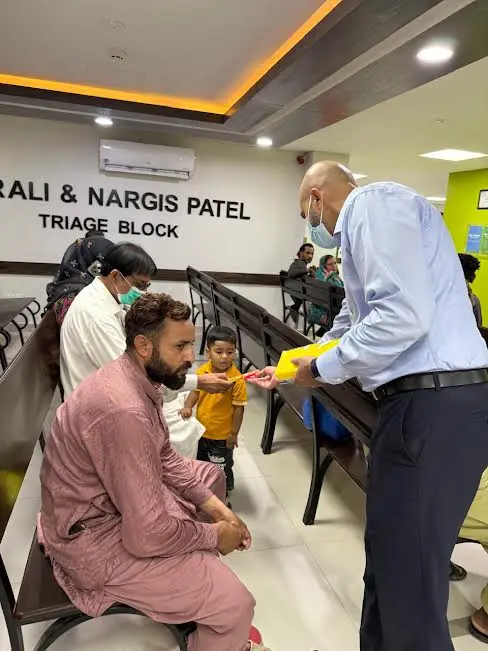
    In a heartening show of solidarity, Al-Ghazi Tractors employees came together to spread moments of joy and comfort to young patients at Mayo Hospital’s pediatric emergency department. More than 100 toys, including stuffed animals, puzzles, board games, and other child-friendly items — were generously donated by team members from across departments, reflecting the spirit of empathy and community that defines Al-Ghazi’s culture. The toys were personally delivered to the children during a special visit to the hospital, led by Al-Ghazi Tractors’ CEO, Sakib Eltaff, along with other members of the senior leadership team. Their presence underscored the leadership’s deep commitment to supporting meaningful community-driven efforts.

    “At Al-Ghazi, we believe corporate responsibility goes beyond business—it’s about standing with our communities,” said Sakib Eltaff, CEO of Al-Ghazi Tractors. “I’m proud of our team for leading this initiative and thankful to ChildLife Foundation for giving us the opportunity to support children in their time of need”

    Al-Ghazi Tractors ChildLife

    The initiative provided young patients with more than just toys—it brought emotional relief and moments of joy within the sterile environment of a hospital ward. During the visit, hospital staff observed the children’s bright smiles and uplifted spirits, highlighting the profound impact such gestures can have. As pediatric healthcare providers emphasized, emotional support plays a critical role in healing, and acts of kindness like these serve as a powerful complement to clinical care.

    Special thanks were extended to all Al-Ghazi Tractors employees whose generous contributions made the drive a success. Al-Ghazi Tractors also recognized ChildLife Foundation for its unparalleled commitment to improving the lives of children.

    Al-Ghazi Tractors remains committed to initiatives that go beyond business, creating positive social impact and bringing comfort to those who need it most.

    Also Read: ABHI and PayPeople Collaborate To Transform Employee Financial Wellness

  • Hepatitis in Children: A Public Health Challenge That Demands Action

    As Pakistan grapples with one of the world’s highest hepatitis burdens, ChildLife Foundation is reinforcing its commitment to protecting the country’s most vulnerable, its children. On this year’s World Hepatitis Day, themed “Hepatitis: Let’s Break It Down,” ChildLife calls for urgent collective action to tackle the growing epidemic of viral hepatitis through treatment, awareness, and prevention.

    Hepatitis poses a serious threat to Pakistan’s future. The country bears the second-highest global burden of Hepatitis C, with an estimated 9.7 million people infected. The national prevalence rate of hepatitis C stands at 4.3%, nearly ten times the global average, with even higher rates in rural and underserved areas. Unsafe medical practices, reuse of syringes, unregulated blood transfusions, and poor sanitation are major contributors to the spread.

    Children are at particular risk. Hepatitis A (HAV) spread through contaminated food and water affects 90% of children before the age of 10, with nearly all testing positive for HAV antibodies by adolescence. Hepatitis E (HEV) also remains common, particularly among older children and young adults.

    Since 2010, ChildLife Foundation has been on the frontlines of pediatric healthcare in Pakistan, offering free, 24/7 emergency treatment in over 300 government hospitals across the country. In the last 12 months alone, more than 5,000 children with hepatitis-related illnesses were treated in ChildLife’s Emergency Rooms (ERs).

    “Every hepatitis case in a child is a call to strengthen our public health systems and preventive efforts,” said Dr. Ahson Rabbani, CEO of ChildLife Foundation. “At ChildLife, we are not only saving lives through emergency care but also building awareness to prevent future infections.”

    ChildLife’s model integrates treatment and prevention. Its ERs follow strict infection control protocols, ensuring safe injection practices, sterilization, and proper waste management to minimize transmission risks. Beyond treatment, trained counselors educate parents on hand hygiene, breastfeeding, clean drinking water, and the importance of timely vaccinations. Parents continue to receive follow-up health messages after discharge, reinforcing crucial preventive practices at home.

    To reach children in remote and underserved regions, ChildLife has also expanded its Telemedicine network, connecting government hospitals in small towns and rural areas to qualified pediatricians in major cities. Through this platform, thousands of children receive expert care and counseling for hepatitis and other life-threatening conditions without the burden of travel.

    These efforts directly target the root causes of hepatitis spread among children—unsafe environments, lack of information, and inadequate healthcare access. Special care is also provided to newborns of Hepatitis B-positive mothers, who receive immunoglobulin to ensure early protection.

    ChildLife Foundation believes that addressing hepatitis requires a united national effort. The organization urges policymakers, healthcare providers, civil society, and the public to play their part by promoting awareness, improving sanitation, ensuring vaccine access, and encouraging testing.

    “As we observe World Hepatitis Day, let us renew our commitment to ending this silent epidemic,” added Dr. Rabbani. “Together, we can reduce the hepatitis burden and protect every child’s right to a healthy future.”

    Also Read: BYD Shark 6, Pakistan’s First Luxury Pickup, Now Available for Bookings