Category: Auto

  • Yousuf Dewan Companies Revives the Legendary Shehzore and Electrifies Pakistan with Honri VE in a Dual Launch

    For those who thought that an electric car for the masses of Pakistan was a far-fetched dream, they were awestruck as Eco-Green Motors Limited, under Yousuf Dewan Companies, took the automobile market by storm. Yes, it’s here—an electric car for Pakistanis, to be driven without worrying about fuel prices. Simultaneously, Dewan Farooque Motors Limited marked the return of a legend, bringing back the Shehzore with unmatched features.

    Eco-Green Motors Limited Unveils the Honri VE

    Eco-Green Motors Limited unveiled the all-new Honri Ve2.0 in a festive event titled “Future Assembled.” The first locally assembled hatchback electric vehicle is now on the roads of Pakistan. “The Honri Ve is nothing short of a dream come true for Pakistan. A recharge takes you 200 kilometers without worrying about fuel saving 50,000 PKR per month which is a dream come true. The interior and exterior are futuristic and state-of-the-art. Priced at 3,999,000 PKR, it offers remarkable value for its features,” said Saleha Hassan, Director of Sales and Marketing, at the event.

    Developed with Honri, a Chinese automobile expert, the Ve2.0 is tailored for Pakistani roads. It boasts a 200 km range per charge, advanced technologies like ABS, EBD, and TPMS, and an IP67 dustproof and water resistant lithium battery. “We are committed to bringing this green change and ensuring vehicle charging decks are installed across Pakistan,” said a Punjab Government representative.
    With over nine dealerships across Pakistan, Eco-Green Motors Limited is set to make a significant impact in the automobile market, with more electric vehicles on the horizon.

    Dewan Motors Pvt. Ltd.: Leading the Way in Electric Vehicle Charging Infrastructure

    Dewan Farooque Motors Limited Reintroduces the Shehzore

    The Shehzore, a legendary lightweight truck, is back. Earlier today, Dewan Farooque Motors Limited launched the all-new Shehzore at “Future Assembled,” marking the line-off of the Dewan Farooque Motors Limited Sujawal Plant.
    “The Kia Shehzore reappears as an unmatched proposition, now offering the ‘STANDARD CABIN’ at 3,859,000 PKR, and the ‘KING CABIN’ at 4,179,000 PKR, in addition to the ‘GRAND CABIN’ light commercial pickup priced at 7,499,000 PKR. The Shehzore boasts a powerful high-economy engine, the biggest carrying deck with the best loading capacity, focusing on durability and reliability. The Shehzore Grand Cabin is the first of its kind in the LCV industry with an extra row of seating along with a cargo carrying deck,” said Dewan Muhammad Yousuf Farooqui.

    Dewan has been a pioneer of innovation in the automobile industry since 1998, introducing Kia, Hyundai, BMW and Mitsubishi to Pakistan. The Dewan Farooque Motors Limited Sujawal Plant is one of the largest and most equipped production facilities in Pakistan. With over ten dealerships nationwide, Dewan Farooque Motors Limited is making a strong comeback amongst well-established players. The KIA K2700 Shehzore, developed with Korean giant KIA, is now locally assembled to meet the needs of the Pakistani commercial vehicle market.

    Dewan Carries the Future Again

    With the dual introduction of the Honri VE and the Shehzore, Yousuf Dewan Companies are leading Pakistan into a new era of automotive innovation. This launch marks a significant milestone, heralding a future where electric mobility and reliable commercial transport drive Pakistan forward.
  • CEO Indus Motor Awarded the Business Leader Award 2024 by the Institute of Chartered Accountants of Pakistan

    Chief Executive, Indus Motor Company, Mr. Ali Asghar Jamali has been honored with the Business Leader Award 2024 by the Institute of Chartered Accountants of Pakistan (ICAP) at a recently held ceremony in Karachi.

    The ICAP’s Professional Excellence Awards 2024 aim to recognize members in business for their contribution, performance, and value addition within their respective organizations. The objective of these awards is to celebrate the contributions of ICAP members who have been successful leaders and have made a mark in the industry.

    Expressing his views on the occasion, Ali Asghar Jamali said, “I am indeed very humbled and thank Allah SWT for this honour and would also like to thank the jury of the Institute of Chartered Accountants of Pakistan for having considered me for this prestigious award. Without a doubt, my team has been my biggest strength all along and I would not be where I am at today, without their unconditional support.”

    “The globally revered Toyota Way has played a pivotal role in shaping my leadership ethos and inculcating values such as respect for people, a customer-first mentality, kaizen, persevering in times of adversity and equitable treatment, are deeply rooted in these principles. As the Chief Executive of Indus Motor, I have to envision a future better than today, not just for the company but Pakistan as well and most importantly giving back to society.”

    ICAP’s Professional Excellence Awards provide a platform to honor its members in industry and businesses for their outstanding achievements, share their success stories, and inspire young members and students to learn from their experiences.

    Also Read: Pakistan Gets Animated at 77th Cannes Film Festival

  • Indus Motor Braves Another Quarter as it Announces Financial Results

    Indus Motor Company (IMC) announced its financial results for the nine-month period ending March 31, 2024, which witnessed a 61% increase in profit after tax, to PKR 9.41 billion, compared to PKR 5.84 billion, for the same period last year.

    IMC’s net sales turnover for the nine-month period decreased to Rs. 98.23 billion, as compared to Rs. 135.03 billion in the same period last year. The combined sales of Completely Knocked Down (CKD) and Completely Built-up Units (CBU) vehicles for period, decreased by 47% to 13,922 units as against 26,055 units sold in the corresponding period last year. The market share of the Company in the overall market stood at approximately 20%. The Company produced 13,217 vehicles during the period, registering an 51% decrease, as compared to 26,848 units produced in the same period last year.

    Expressing his views, CEO IMC, Ali Asghar Jamali, said, “With plummeting customer demand, it’s been a tough nine months, and adding fuel to the fire, has been the unabated import of used cars into the country that has wreaked havoc on the auto industry. We request the Government to take specific measures that accelerate and sustain auto sector volumes over the future months. Other contributors to the volume drop have been higher duties and taxes along with the deteriorating economic situation. Any further hike in duties and taxes will be detrimental to the auto industry and will also reduce the overall revenue to the Government from this sector.

    Emphasising on It is of critical importance that we continue to nurture foreign investor’s confidence and encourage further investment and request the Government to sustain the HEV policy incentives announced in the AIDEP 21-26, consequently, promoting a greener environment and reducing the country’s fuel import bill.”

    During the third quarter, IMC received various accolades, such as, The Professionals Network (TPN) recognizing IMC’s efforts through awards in leading categories, “Clean Energy Transition” and “Community Impact”. IMC was also recognized for “CSR Initiatives” by The National Forum for Environmental & Health (NFEH) and the Federal Board of Revenue lauded the company with the “Compliant Corporate Taxpayer” Award, presented to Ali Asghar Jamali, CEO of Indus Motor Company by the Prime Minister of Pakistan, Mr. Shahbaz Sharif at Islamabad.

    The Earnings Per Share (EPS) of IMC for the nine-month period ending March 31, 2024, stands at PKR 119.67 in comparison to PKR 74.35 reported in the same period last year. The Board of Directors declared a third interim cash dividend of PKR 34 per share for the period, as compared to PKR 24.40 per share, for the same period last year.

    Also Read: Cement Sector demands tax credits on track and trace investments

  • TPL Insurance Limited and Regal Automobiles Forge Strategic Partnership for Innovative Solutions in Auto Sector

    TPL Insurance, a leading provider of innovative insurance solutions, is proud to announce a strategic partnership with Regal Automobiles Industries Ltd. (RAIL), a renowned name in the automotive industry. The memorandum of understanding (MoU) signing ceremony solidifies the alliance between the two entities, paving the way for groundbreaking offerings in the automotive and insurance sectors.

    As part of this collaboration, customers can now enjoy the convenience of a buy now, pay later scheme for select models including Glory 580 Pro, Prince Pearl, Prince K01, and Humsafar. This deferred payment plan offers flexibility and financial ease, allowing individuals and corporates to acquire their desired vehicles with ZERO financial cost. In addition to the deferred payment plan, the partnership introduces innovative and flexible Motor Takaful products.

    Mr. Aminuddin, CEO of TPL Insurance, expressed his enthusiasm about the partnership, stating, “We are pleased to join forces with Regal Automobiles Industries Ltd. This alliance allows us to offer unparalleled benefits to our customers, reinforcing our commitment to innovation and customer-centric solutions.”
    Mr. Sohail Usman, Chairman of Regal Automobiles Industries Ltd., commented, “At RAIL, we are continuously striving to enhance the customer experience. This partnership with TPL Insurance marks a significant milestone in our journey, enabling us to provide our customers with convenient payment options and strong insurance coverage.”

    Mr. Adeel Usman, Managing Director of RAIL, added, “The introduction of deferred payment plans, and innovative Motor Takaful products reflects our dedication to meeting the diverse needs of our customers. We are excited about the possibilities that this partnership brings and look forward to delivering value together.”

    These offerings are designed to provide comprehensive coverage and peace of mind to vehicle owners, ensuring their protection on the road. This partnership stands out in the industry due to its unique proposition of offering both flexible deferred payment plans and innovative Motor Takaful products. The combination of these services addresses the evolving needs of customers, providing them with a comprehensive solution under one roof.

    Also Read: FrieslandCampina Engro Pakistan Limited announces Q1, 2024 results

  • Indus Motor CSR Initiatives Lauded by NFEH

    Indus Motor Company (IMC) is honored to have received the esteemed Corporate Social Responsibility (CSR) Award from The National Forum for Health and Environment (NFEH). The recognition was bestowed upon IMC in the category of “CSR Initiatives”, acknowledging its unwavering commitment and outstanding contributions to the United Nations’ Global Goals.

    A competitive field of 86 companies vied for excellence across 36 award categories, resulting in 123 accolades collectively awarded to 74 deserving recipients. The accolade was presented at the 16th Annual Summit and Awards ceremony to IMC’s Head Corporate Communications and CSR, Mr Asad Abdullah, by the distinguished High Commissioner of Sri Lanka to Pakistan, H.E. Admiral Ravindra C Wijegunaratne and Speaker Azad Jammu & Kashmir Legislative Assembly, Chaudhry Latif Akbar.

    NFEH, in affiliation with the United Nations Environment Program (UNEP), endeavors to promote environmental, healthcare, and educational awareness among diverse stakeholders, including industries, corporate entities, and the youth. IMC’s Chief Executive, Mr. Ali Asghar Jamali, expressed pride in the company’s recognition for its CSR endeavors, underscoring the significance of being an integral partner in the communities where IMC operates.

    “An accolade is the icing on the cake for all our efforts and receiving one from the NFEH is an honour. Through Toyota’s CSR philosophy, IMC is committed to create lasting positive changes within communities. Our flagship Toyota Goth Education Program, in partnership with TCF, symbolizes our deep commitment to uplifting the underprivileged and combating poverty. This resolute dedication guides our allocation of resources towards not just educational progress but also environmental preservation, disaster risk reduction, and the promotion of community health.”

    IMC’s multifaceted approach extends beyond its core business, encompassing a range of CSR initiatives in collaboration with partners such as Deaf Reach, HASWA, HANDS Pakistan, Karwan e Hayat, United Nations Association of Pakistan, Saylani Welfare Trust, to name a few. This broad spectrum of engagement highlights IMC’s holistic commitment to creating a sustainable and inclusive society.

    IMC’s proactive involvement in societal welfare initiatives reflects a deep-rooted belief in social responsibility and community empowerment. Their dedication to making a meaningful difference in society aligns with Toyota’s ethos of enriching lives and contributing to a brighter, more sustainable future.

    Also Read: MAJU hosts a seminar on the IMF Program

  • 18% Sales Tax: FBR Rejects Proposal for Locally Manufactured Cars

    In a recent development, the Federal Board of Revenue (FBR) has dismissed a proposal to impose an 18% sales tax on locally manufactured cars. This decision reflects a strategic stance by the tax authority against introducing a higher tax burden on the domestic automotive industry.

    Key Points:

    Taxation Policy: The rejection of an 18% sales tax on locally manufactured cars underscores the FBR’s approach to balance revenue generation with supporting key sectors, particularly the automotive industry.

    Domestic Automotive Sector: The proposed tax increase, if implemented, could have had significant implications for the local automotive sector. The FBR’s decision aims to maintain a competitive environment and foster growth within the industry.

    Market Dynamics: The FBR’s stance takes into account the existing market dynamics, striving to strike a balance between taxation measures and the sustainability of various sectors, including manufacturing.

    Impact on Consumers: A higher sales tax could potentially lead to increased prices for locally manufactured cars, impacting consumers’ purchasing power. The FBR’s decision seeks to mitigate any adverse effects on the end-users.

    Industry Competitiveness: By refraining from introducing a higher sales tax, the FBR aims to uphold the competitiveness of the local automotive industry. This aligns with broader economic strategies focused on encouraging industrial growth.

    Collaborative Decision-Making: The decision-making process involves consultations with stakeholders, including representatives from the automotive sector. This collaborative approach ensures that policies consider the perspectives and interests of industry players.

    Government’s Economic Vision: The rejection of an 18% sales tax on locally manufactured cars reflects the government’s commitment to fostering a conducive business environment and supporting economic growth in key sectors.

    Consumer Affordability: The FBR’s decision takes into consideration the affordability of locally manufactured cars for the general public. Implementing a significant sales tax increase could have placed an additional financial burden on consumers.

    Revenue Strategies: While focusing on sector-specific considerations, the FBR continues to explore alternative revenue-generation strategies that align with broader economic goals and fiscal targets.

    Policy Flexibility: The FBR’s approach highlights the importance of policy flexibility, allowing adjustments based on economic indicators, market conditions, and the overall well-being of critical industries.

    The FBR’s rejection of the proposed 18% sales tax on locally manufactured cars reflects a nuanced approach to taxation, aiming to support industry growth, maintain consumer affordability, and contribute to the overall economic vision of the government.

    Also Read: IT Ministry: Top 3 Candidates Emerge as Front-Runners in Ministerial Race

  • Toyota IMC to Inject Rs 3 Billion into Local Auto Parts Production

    In a strategic move, Toyota Indus Motor Company (IMC) is set to make a substantial investment of Rs 3 billion in the local production of auto parts. This development underscores the company’s commitment to fostering domestic manufacturing capabilities and aligning with the broader objectives of promoting self-sufficiency in the automotive sector.

    Toyota-IMC’s decision to invest significantly in local auto parts production signals a proactive approach toward reducing dependency on imports and contributing to the growth of the indigenous automotive industry. The injection of funds into this initiative is expected to have far-reaching impacts on the supply chain, employment generation, and overall economic development.

    Key Aspects of Toyota-IMC’s Investment in Local Auto Parts:

    Strategic Investment: The Rs 3 billion investment reflects the strategic importance Toyota-IMC places on strengthening the local auto parts ecosystem, paving the way for enhanced collaboration with local manufacturers.

    Reducing Import Dependency: By increasing local production, Toyota-IMC aims to curtail reliance on imported auto parts, contributing to the national objective of reducing the trade deficit and promoting economic self-sufficiency.

    Supply Chain Enhancement: The investment is poised to enhance the resilience and efficiency of the automotive supply chain, fostering a more integrated and self-reliant manufacturing process.

    Technology Transfer: The initiative is expected to facilitate technology transfer and knowledge-sharing, fostering skill development and innovation within the local auto parts industry.

    Economic Impact: Beyond the immediate benefits to Toyota-IMC, the investment is likely to have positive ripple effects on the broader economy, creating job opportunities and stimulating economic activity.

    As Toyota-IMC embarks on this substantial investment in local auto parts production, it exemplifies a collaborative effort between the private sector and the government to fortify domestic industries. This initiative aligns with the national agenda of promoting economic sustainability, and industrial growth and fostering a conducive environment for businesses to thrive.

    Also Read: Ansar Burney Launches Autobiography “Awaaz”

  • Toyota Pakistan Reports Record-Breaking Sales Figures for January 2024

    Toyota Pakistan, one of the leading automobile manufacturers in the country, has announced a remarkable surge in sales for January 2024, marking an unprecedented increase of 304% compared to December 2023.

    According to official data released by the company, Toyota sold a total of 2,762 vehicles in January, a stark contrast to the 684 units sold in the preceding month. This surge in sales has drawn significant attention within the industry and among consumers alike.

    The notable spike in sales can primarily be attributed to the successful introduction of the Corolla Cross, a new addition to Toyota’s lineup, which has quickly gained popularity and secured its position as the second-best-selling car in the market.

    AutoJournal.Pk, a prominent automotive publication, reported that Toyota recorded sales of 961 units of the Corolla Cross in January alone, signaling a strong demand for the newly launched model.

    Furthermore, Toyota’s iconic Hilux model also witnessed a substantial uptick in sales, experiencing a remarkable 430% increase compared to the previous month. Alongside the Corolla Cross and Hilux, other models in Toyota’s portfolio, including the Yaris, Corolla, and Fortuner, have also seen significant boosts in sales performance.

    The Yaris, for instance, saw a notable 61% increase in sales, while both the Corolla and Fortuner witnessed even more impressive jumps of 202% and 255%, respectively. These figures underscore Toyota’s continued dominance in the Pakistani automotive market across various vehicle segments.

    Here are the detailed sales figures for Toyota’s lineup in January:

    • Corolla Cross: 961 units
    • Hilux: Figures not disclosed, but experienced a 430% increase in sales
    • Yaris: 61% increase in sales
    • Corolla: 202% increase in sales
    • Fortuner: 255% increase in sales

    The remarkable surge in Toyota’s sales figures for January 2024 highlights the company’s ability to resonate with the preferences of Pakistani consumers while also showcasing the strength and resilience of the local automotive market amidst challenging economic conditions. With its diverse range of offerings and a commitment to innovation, Toyota Pakistan continues to set new benchmarks in the automotive industry.

    Also Read: Chery Pakistan Set to Launch Exciting New Electric and Hybrid Vehicles in 2024

  • Yamaha Launches Zero-Interest Installment Offer

    In a bid to enhance affordability and accessibility for motorcycle enthusiasts, Yamaha takes a customer-centric approach with the introduction of a zero-interest installment offer. This strategic move by Yamaha aims to make owning a Yamaha motorcycle even more accessible to a broader segment of consumers, providing them with an attractive financing option.

    Yamaha’s zero-interest installment offer comes as a response to the evolving dynamics of the motorcycle market, where consumer preferences are increasingly influenced by factors such as affordability and flexible payment plans. The initiative is designed to cater to the financial needs and preferences of potential buyers, allowing them to spread the cost of their Yamaha motorcycle purchase over manageable installments without incurring any interest.

    Key Features of Yamaha’s Zero-Interest Installment Offer:

    Affordable Ownership: The initiative provides an opportunity for motorcycle enthusiasts to own a Yamaha bike without the burden of interest charges, ensuring a cost-effective ownership experience.

    Flexible Payment Plans: Yamaha’s zero-interest installment offer offers flexibility in payment plans, allowing buyers to choose terms that align with their financial capabilities.

    Wider Market Reach: By eliminating interest charges, Yamaha aims to expand its market reach and attract a diverse range of consumers who may have been hesitant due to financial constraints.

    This customer-centric move by Yamaha is expected to resonate well with motorcycle enthusiasts across the country. As the brand has consistently been associated with quality, performance, and innovation, the zero-interest installment offer adds an appealing financial dimension to Yamaha’s value proposition.

    The motorcycle industry in Pakistan is witnessing a shift in consumer behavior, with a growing emphasis on value for money and affordability. Yamaha’s initiative aligns with these changing dynamics, positioning the brand as not only a symbol of quality engineering but also as a facilitator of accessible and affordable mobility solutions.

    As Yamaha introduces the zero-interest installment offer, it sets a precedent in the industry, emphasizing customer satisfaction and financial inclusivity. This move is likely to create a positive impact on Yamaha’s market share and customer loyalty, showcasing the brand’s commitment to meeting the evolving needs of motorcycle enthusiasts in Pakistan.

    In conclusion, Yamaha’s introduction of the zero-interest installment offer marks a customer-centric approach that responds to the current market dynamics. By making Yamaha motorcycles more financially accessible, the brand is poised to strengthen its position in the Pakistani motorcycle market and foster greater engagement with its diverse consumer base.

    Also Read: MG5 Electric Car Makes Its Debut for Market Research in Pakistan

  • Chery Pakistan Set to Launch Exciting New Electric and Hybrid Vehicles in 2024

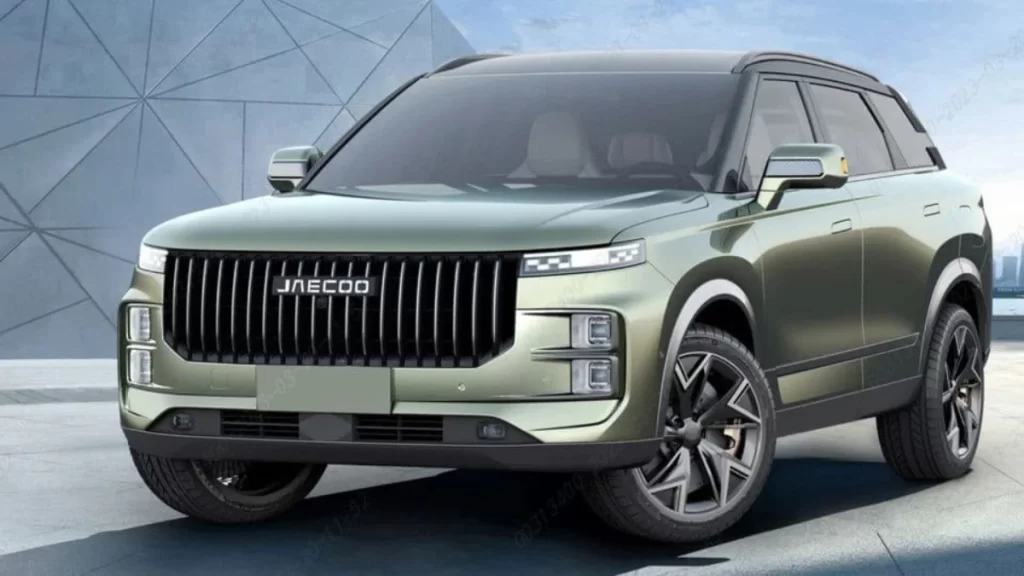
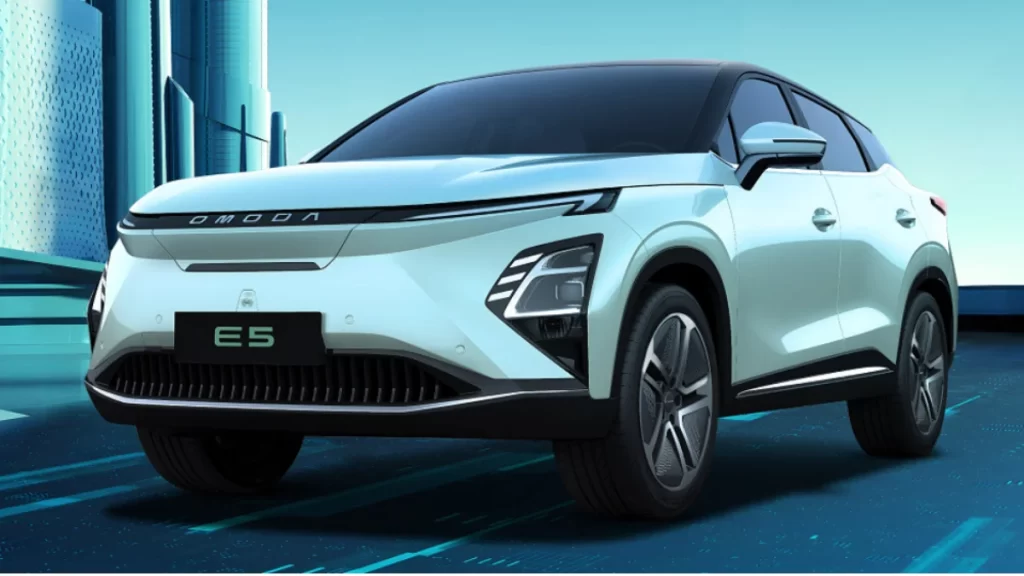
    In a recent development, reports have emerged suggesting that Chery Pakistan is gearing up to make a significant splash in the local automotive market with the launch of two new cars in 2024. The eagerly anticipated models, namely the Omoda E5 and Jaecoo J7 PHEV, are set to be introduced under the Chery banner, marking the company’s foray into the electric and hybrid vehicle segment in Pakistan.

    Our investigative team delved into the matter to uncover more details surrounding the impending launch and the features these new models will bring to the Pakistani market.

    Chery Pakistan
    Jaecoo J7 PHEV

    Which Chery Cars Are Coming?

    While the exact number of cars slated for launch remains unconfirmed, reliable sources have revealed that Chery Pakistan is set to introduce Hybrid Electric Vehicles (HEVs) and Plug-in Hybrid Electric Vehicles (PHEVs). The Tiggo Series is expected to be at the forefront of these launches, promising environmentally friendly options for Pakistani consumers. In addition to the Tiggo series, the Omoda E5 and Jaecoo J7 will also make their debut, offering an electric and PHEV option, respectively.

    Expected Time of Launch

    Insiders privy to the matter have disclosed that Chery Pakistan is planning to roll out these new vehicles in the 3rd quarter of 2024. The launch sequence is expected to kick off with the Tiggo series, followed by the introduction of the Omoda E5 and Jaecoo J7. The company is reportedly well-prepared to handle the logistics and publicity surrounding these eagerly awaited releases.

    This move is expected to inject more options into the local market, particularly in the realm of Hybrid Electric and Plug-in Hybrid Electric Vehicles. Considering the current high fuel prices in Pakistan, the introduction of more eco-friendly alternatives is likely to be warmly received by consumers.

    Evolving Trends in the Automotive Industry

    The automotive landscape in Pakistan has witnessed a gradual shift towards electric and hybrid technologies. Earlier entries by manufacturers such as Haval, Hyundai, and Toyota, with models like the H6, Santa Fe, and Corolla Cross, have been well-received by consumers due to their fuel efficiency. The global trend also indicates a growing emphasis on electric and hybrid vehicles, with various companies planning to expand their electric vehicle (EV) offerings.

    The planned launches by Chery are poised to contribute to this evolving trend, offering local consumers more choices in the expanding market of electric and hybrid vehicles.

    Chery Pakistan
    Omoda E5

    Consumer Perspectives 

    As we look towards the future of the automotive industry in Pakistan, the introduction of HEVs and PHEVs by Chery has sparked curiosity among potential buyers. The comment section is open for readers to share their thoughts and opinions on this development. Would you consider buying an electric or hybrid vehicle from Chery? What are your expectations for these upcoming releases? We invite you to join the conversation and share your insights.

    The automotive industry in Pakistan is on the brink of a significant transformation, and Chery’s entry into the electric and hybrid segment is set to contribute to this exciting shift. Stay tuned for more updates as we closely follow the developments leading up to the launch of these innovative vehicles by Chery Pakistan.

    Also Read: Car Sales Experience Sharp 66% Decline in December