Author: Admin

  • AKUH Wins Prestigious Platinum Award for Heart Attack Care — Third Consecutive Year

    The Aga Khan University Hospital (AKUH) has been recognised internationally for its life-saving cardiac care for the third consecutive year, earning the 2025 Platinum Performance Achievement Award from the Chest Pain – MI Registry, an initiative of the American College of Cardiology (ACC).

    This marks AKUH’s third consecutive win, and its second consecutive Platinum Award, the highest honour in the ACC’s performance achievement programme. The award is presented to hospitals that consistently deliver evidence-based, guideline-directed care to patients experiencing heart attacks (myocardial infarctions).

    To qualify, hospitals must meet strict performance criteria and engage in a continuous quality improvement process — monitoring clinical performance, adopting best practices, and improving outcomes for high-risk heart patients.

    “This third consecutive international recognition speaks to our commitment to delivering life-saving cardiac care grounded in evidence and compassion,” said Dr Farhat Abbas T.I, S.I, CEO, AKUH Health System, Pakistan. “It is a powerful endorsement of our team’s dedication to clinical excellence and patient safety. As we continue to raise the bar in cardiovascular care, we remain focused on innovation and improving outcomes for every patient we serve.”

    By aligning with international best practices, AKUH ensures care that improves survival rates and long-term outcomes for heart patients in Pakistan. The award underscores the hospital’s leadership in cardiovascular care in the region.

    “This recognition reinforces our drive to elevate standards, embrace innovation, and deliver better outcomes for our heart patients,” said Dr Javed Majid Tai, Director, Cath Lab and Site Director for NCDR at AKUH.

    As a trusted name in advanced cardiovascular care, AKUH remains committed to clinical excellence, innovation, and continuous improvement — raising the bar for heart care in Pakistan.

    Also Read: Mehwish Salman Ali Elected President of CxO Global Forum USA Chapter

  • Mehwish Salman Ali Elected President of CxO Global Forum USA Chapter

    Mehwish Salman Ali, visionary CEO and Co-Founder of Zahanat AI and Data Vault Pakistan, has been elected President of the USA Chapter of CxO Global Forum, a leading international platform connecting global C-level executives, technologists, and thought leaders. This prestigious appointment reflects Ms. Mehwish’s extraordinary contributions to artificial intelligence, entrepreneurship, and digital transformation across borders.

    As President, Ms. Mehwish will lead initiatives that promote collaboration between global technology leaders, foster innovation ecosystems, and empower emerging markets through sustainable and inclusive digital strategies.

    “This appointment represents an opportunity to bridge technological innovation with strategic business leadership on a global scale,” said Ms. Mehwish. “I look forward to facilitating meaningful connections between technology leaders and driving initiatives that create lasting impact across industries.”

    Ms. Mehwish’s appointment marks a continuation of her impactful journey as one of South Asia’s foremost female tech leaders. She has achieved several industry firsts:

    • Launched Zahanat AI, Pakistan’s first homegrown GPT-based language model, developed with 2 billion culturally contextual parameters — making AI more inclusive, ethical, and locally relevant.
    • Founded Data Vault Pakistan, the country’s first women-led, solar-powered, and quantum-encrypted AI data center, advancing green technology and AI infrastructure.
    • Raised $10 million from JR Dallas Tech Fund to scale Pakistan’s AI ecosystem.
    • Represented Pakistan at the International Digital Cooperation Forum in Jordan, announcing the country’s first AI Innovation Center.
    • Empowered over 100 women-led startups through the SheEarns initiative — providing mentorship, visibility, and international platforms.

    CxO Global Forum Vision & Strategic Roadmap

    As President of the USA Chapter, Ms. Mehwish aims to:

    • Bridge global innovation corridors between the U.S., South Asia, and the Middle East
    • Champion AI policy dialogues, ethical tech frameworks, and public-private partnerships
    • Lead programs that accelerate AI adoption in education, smart infrastructure, and digital health
    • Expand the Forum’s network by engaging venture capitalists, CIOs, and founders across emerging markets

    Her leadership brings together deep technical insight, startup agility, and a global policy perspective — making her uniquely positioned to shape the future of the Forum’s international strategy.

    Ms. Mehwish Salman Ali is a globally recognized tech entrepreneur, AI innovator, and public speaker. A member of the Forbes Technology Council, TEDx speaker, and recipient of awards such as Wonder Women of Dubai, Who’s Who in Technology, and Azm-e-Alishan, she has led more than 100 IT projects through her leadership at 3wOgle Group of Companies.

    With a background in genetics and a career pivot to technology in 2008, Ms. Mehwish is known for building powerful cross-border partnerships, promoting digital inclusion, and creating scalable, ethical AI products. Her work aligns with UN Sustainable Development Goals, particularly in women’s economic empowerment, digital literacy, and innovation-driven growth.

    CxO Global Forum is a premier global network of C-level executives, industry leaders, and innovators from around the world. The forum serves as a think tank for exchange of ideas, fostering collaboration on cutting-edge topics including digital transformation, AI, cybersecurity, ESG, and enterprise strategy. The USA Chapter plays a pivotal role in shaping international partnerships, investments, and emerging tech narratives.

    Also Read: PTCL and Huawei enable Sukh Chayn Residence with 5G-ready connectivity

  • PTCL and Huawei enable Sukh Chayn Residence with 5G-ready connectivity

    PTCL Group (PTCL & Ufone 4G) in collaboration with Huawei, has deployed state-of-the-art connectivity solutions at Sukh Chayn Residence, a premier luxury residential complex in Islamabad, to redefine smart living. This unique collaboration combines 5G Ready Digital Indoor System (DIS) Lampsite and High-speed Fiber-To-The-Home (FTTH) with luxury living to set a new standard for digital lifestyle in Pakistan.

    The DIS represents a significant leap forward in connectivity technology, unlike traditional Distributed Antenna Systems (DAS), which rely on passive components, DIS delivers 100% digital signals through an end-to-end active infrastructure. This ensures superior coverage, minimal interference, and a unified user experience, especially in high-rise buildings, all while maintaining the aesthetic integrity of the residential space.

    Sharing his thoughts, Asif Ahmed, Group Chief Business Solution Officer, PTCL & Ufone 4G said, “This partnership reaffirms PTCL Group’s leadership in B2B solutions and the unwavering faith vested by individual and enterprise customers in the brand. This project signifies our vision for the future of connectivity in Pakistan and strengthens our commitment to deploying cutting-edge digital solutions that transforms living experience. The Digital Indoor System ensures seamless connectivity, empowering residents to effortlessly manage their daily lives and work routines, while also helping elevate lifestyles, unlock new opportunities, and drive sustainable growth and progress.”

    Muhammad Saleh Azeem, CEO, Sukh Chayn Residence, said, “We are proud to partner with PTCL Group to offer our residents an unparalleled digital living experience. Becoming the first 5G-ready residential complex testifies to our commitment to meeting the growing needs of our residents. Our forward-looking approach makes us the housing brand of the future.”

    Michael Che, Managing Director Carrier Business, Huawei stated “We are excited to introduce Huawei 5G ready DIS technology in Pakistan through PTCL that will allow their customers to experience luxury living at its finest. This technology will redefine High Speed Mobile Broadband (MBB) Connectivity for Residential Sector and will enable PTCL to be the primary internet connection provider to millions of customers across Pakistan.”

    The collaboration brings a distinctive MBB element to PTCL Group’s series of past FTTH partnerships with leading businesses, further reinforcing its position as the telecom partner of choice for Pakistan’s most respected brands.

    Also Read: Private firm develops digital framework to regulate barter trade in Pakistan

  • Private firm develops digital framework to regulate barter trade in Pakistan

    Amid persistent challenges in operationalizing barter agreements with countries such as Russia, Iran, and Afghanistan, a Karachi-based technology company has introduced a digital framework aimed at overhauling Pakistan’s barter trade mechanism.

    Galaxefi Solutions, a private tech firm specializing in digital freight workflows, has developed a national-level system called BARTMAS, Barter Trade Management System. The initiative seeks to bring transparency, efficiency, and coordination to barter-based transactions, a necessity for Pakistan given its limited banking relations with several trading partners due to sanctions and geopolitical constraints.

    Founder and CEO of Galaxefi, Asif Pervez, said the system is designed to move the country away from outdated manual processes that have made barter trade vulnerable to inefficiencies, mismanagement, and policy blind spots. “Barter trade doesn’t have to be broken,” he remarked. “We just have to stop guessing and start measuring, digitally, transparently, and in real time.”

    BARTMAS aims to integrate all key national institutions through digital APIs, including the Pakistan Single Window (PSW), Federal Board of Revenue (FBR), Ministry of Commerce (MoC), National Logistics Cell (NLC), State Bank of Pakistan (SBP), and other authorities. The proposed digital infrastructure will enable end-to-end visibility of the barter journey from the initiation of a barter request and customs clearance to escrow fund management and bonded warehousing, ensuring that each step is auditable and centrally traceable.

    According to Galaxefi, the process begins with barter requests initiated through a secure online dashboard, followed by real-time inventory checks to prevent domestic shortages. Contracts would be verified in coordination with regional chambers of commerce, such as the Quetta and Zahidan Chambers. Goods declarations would be filed digitally through PSW using a dedicated barter trade route. Licensed banks would manage escrow services under the supervision of the SBP, while cargo movement would be handled by the NLC under TIR protocols, with the entire logistics chain sealed and monitored for security. A blockchain-powered audit trail would underpin the system, ensuring transparency at every step.

    The digital framework has already been presented to relevant trade and institutional bodies, with discussions underway regarding potential adoption. Galaxefi is also working in coordination with PSW and the Pakistan International Freight Forwarders Association (PIFFA) to align its technology with national logistics and customs frameworks.

    The need for such a system is underscored by the alarming failures of recent barter arrangements, most notably the 2023–24 wheat trade debacle. In that case, barter-related mismanagement resulted in estimated losses of Rs 484 billion to farmers and the federal government within a single year. During the same period, food poverty increased from 34 percent to 39.4 percent, pushing over 12 million people into hardship. Despite a domestic wheat surplus, the government imported the commodity at a cost exceeding $1 billion, further fuelling inflation, which peaked at 38 percent.

    Experts say these failures are symptomatic of a broader structural issue, barter trade in Pakistan continues to rely on manual approvals, fragmented record-keeping, and outdated verification mechanisms. Multiple Standard Regulatory Orders (SROs) by the Ministry of Commerce have failed to establish cohesion among key stakeholders, including customs, the FBR, SBP, and border security agencies. This has led to overlapping shipments, oversupply of certain commodities, and national shortages of others.

    In such a context, Galaxefi’s BARTMAS framework offers more than just a technological solution, it presents a comprehensive policy model that could fundamentally reshape how Pakistan engages in barter trade. As Pervez puts it, “A system that can break millions must be rebuilt with millions in mind.”

    With inflation high, food insecurity deepening, and international scrutiny increasing, the case for digital reform in trade management is no longer optional. The real question now is whether the government is ready to implement the tools already available and take the bold steps needed to protect the country’s economic and food security.

    Also Read: Global Superstars Justin Timberlake and Robbie Williams to Perform Live in Istanbul
  • Global Superstars Justin Timberlake and Robbie Williams to Perform Live in Istanbul
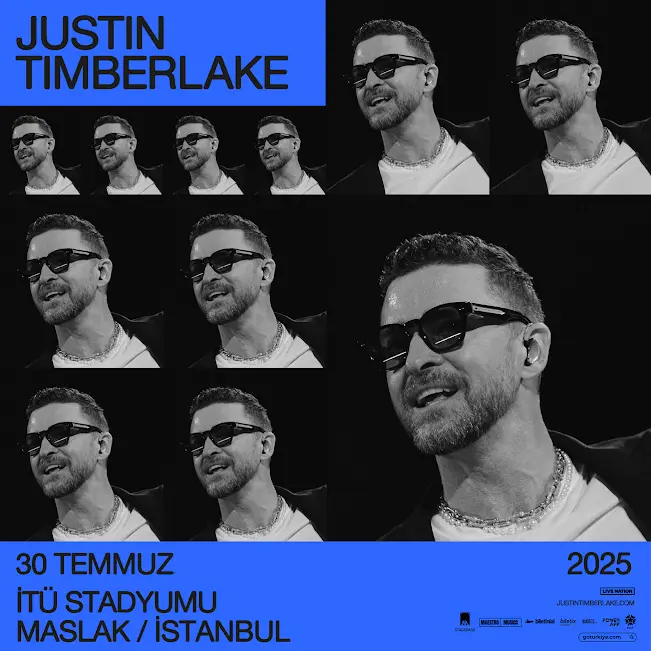
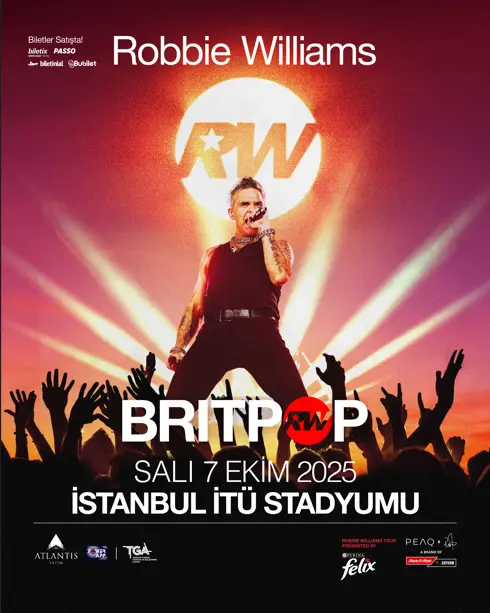
    Istanbul, the vibrant cultural capital of Türkiye, will host two global music sensations this year as part of the city’s dynamic summer concert lineup. Justin Timberlake will take the stage on July 30 and Robbie Williams will follow with a highly anticipated performance on October 7, both at the Istanbul Technical University (İTÜ) Stadium as part of their Live 2025 Tour. These landmark events promise unforgettable nights of music and entertainment, bringing international fans and music lovers to the heart of a city where history meets modernity. With huge fan followings in Pakistan, the live concerts in Istanbul offer the perfect chance for Pakistani music lovers to experience their favorite stars up close in an unforgettable setting.

    Istanbul’s top-tier venues, recognized for their state-of-the-art sound systems and acoustics, make the city a prime stop for major world tours. This season, pop and R&B superstar Justin Timberlake Know for international hits like “Cry Me a River”, “SexyBack”, “Mirrors”, and “Can’t Stop the Feeling!” Timberlake is expected to deliver an electrifying performance packed with powerful vocals and stunning visuals.

    Justin Timberlake Robbie Williams

    British pop icon Robbie Williams will make his long-awaited İstanbul debut at the same venue. Following his first concert in Türkiye held in Bodrum, this performance coincides with the upcoming release of his new album, BRITPOP. Renowned for his signature charisma and vocal range, Williams will perform a mix of classic fan favorites and fresh tracks from the new album.Link to ticket sales:
    https://biletinial.com/en-tr/muzik/justin-timberlake
    https://biletinial.com/en-tr/muzik/robbie-williams

    Also Read: New Study Published in The Lancet Calls for Unified Cancer Registry in Pakistan

  • New Study Published in The Lancet Calls for Unified Cancer Registry in Pakistan

    A new research study published in The Lancet Regional Health – Southeast Asia highlights the urgent need for a unified national cancer registry in Pakistan to improve cancer surveillance, policymaking, and resource allocation. Titled ‘Cancer Registries in Pakistan: A Scoping Review’ the study was co-authored by experts from Aga Khan University (AKU), University of Wisconsin, and Shaukat Khanum Memorial Cancer Hospital. 

    Pakistan faces a substantial cancer burden, with an estimated 185,748 new cancer cases and over 118,631 cancer related deaths recorded in 2022. Yet, the absence of a national cancer registry means that cancer data collection remains fragmented, inconsistent and incomplete, making it harder to plan and implement effective public health efforts.

    “Cancer registries are crucial, they provide population-based data on cancer trends and treatment efficacy, and enable health authorities to monitor disease patterns, guide policymaking, and allocate resources to establish an effective national cancer control programme,” expressed Dr Zehra Fadoo, Chair of AKU’s Department of Oncology.

    The research study identifies 17 cancer registries in Pakistan, with wide variations in scope and geographical coverage. Currently, only 19 of Pakistan’s 129 cities contribute data to at least one registry. Many registries face operational challenges, limited funding, and inconsistent data collection methods. The study has identified strengths and weaknesses of different registries, providing information that can be used to plan for cancer data aggregation and future research studies.

    “Building a national cancer registry isn’t something one institution can do alone,” explained Sehar Salim Virani, from the Departments of Surgery at AKU and the University of Wisconsin. “It will require coordinated action, government leadership, and institutional collaboration. This paper is a first step towards that goal. By mapping what exists, we can now move towards what is needed. It’s time to turn fragmented efforts into a unified national response.” 

    One of the registries profiled in the study is the Aga Khan University Cancer Registry (AKU-CR), a hospital-based registry established in 2009. AKU-CR has an inbuilt international coding manual that serves as the foundation for measuring the cancer burden in Aga Khan University Hospital (AKUH) in Pakistan. The purpose and goal of AKU-CR is to collect, maintain, and disseminate the highest quality cancer data that will contribute towards cancer prevention and control—improving diagnoses, patient care, treatment, survival, quality of life and establish background for research. So far, using USA-based CNExT software, the registry has documented over 71,900 cases. At AKUH, the clinical aspects of the Cancer Registry are overseen by the AKUH Cancer Committee with trained registrars, ensuring high standards in data quality and clinical relevance. 

    Pakistan has a National Action Plan for Non-Communicable Diseases, control and health promotion (NAP-NCD) which includes cancer prevention and control. The Ministry of National Health Services Regulations and Coordination nominated the Pakistan Health Research Council (PHRC) as the focal point for Cancer Registry in Pakistan, and in 2020, a National Steering Committee was notified with members from all major cancer registries and data centers. Despite these efforts, challenges remain in achieving complete, consistent, and uniform data collection. 

    “Pakistan has long struggled with adopting national cancer registration,” noted Syed Nabeel Zafar, from the Department of Surgery and Carbone Cancer Center at the University of Wisconsin. “With the rising incidence of cancers in Pakistan, a national cancer registry is essential to be able to address this growing problem. In lieu of national a registry many institutions across Pakistan have pitched in and developed cancer registries at local or regional levels. Government buy-ins are needed to develop a national level registry. While this requires effort and resources, it is not very expensive, and would be very feasible to do in Pakistan”

    A national cancer registry is vital to enhance cancer surveillance and inform public health action in Pakistan, where cancer rates continue to rise. This will require existing registries to work together and partner with stakeholders across both the public and private sectors to build a comprehensive, sustainable system that serves the entire population.

    Also Read: Pakistani receives Award of Honor for cybersecurity

  • Pakistani receives Award of Honor for cybersecurity

    Ali Salman Syed has made history by becoming the first Pakistani to receive the President’s Award of Honor from EC-Council University, one of the world’s foremost institutions in cybersecurity education.

    The President’s Award of Honor is the highest academic recognition presented by EC-Council University. It is awarded to students who demonstrate exceptional academic performance, uncompromising ethical standards, and forward-thinking innovation in the field of cybersecurity. This award not only reflects mastery of the subject matter but also the embodiment of leadership and social responsibility in a rapidly evolving digital world.

    Ali Salman Syed is the Principal Solutions Architect for the EMEA region at Veeam Software. His achievement is a groundbreaking moment for Pakistan’s growing footprint in global technology and cybersecurity leadership. With over 18 years of experience, he has
    been at the forefront of securing enterprise systems, driving zero-trust architecture, and building resilience across Fortune 500 companies and government institutions. His leadership spans across Europe, the Middle East, and Africa, delivering innovative solutions
    that safeguard mission-critical infrastructure.

    As the first Pakistani to be honored with this award, Ali’s success represents the emergence of a new generation of Pakistani tech leaders making their mark on the global stage. His contribution to advancing cybersecurity, both academically and professionally, sets a powerful example for aspiring professionals in Pakistan and beyond.

    “Receiving the President’s Award of Honor is a moment of immense pride — not just personally, but for every Pakistani striving to make an impact in the global technology arena. This recognition reinforces the importance of academic excellence, ethical innovation, and the urgent need for strong cybersecurity leadership in today’s world,” said Ali Salman Syed.

    EC-Council University, headquartered in Albuquerque, New Mexico, is a global leader in cybersecurity education. The university is accredited by the Distance Education Accrediting Commission (DEAC) and is recognized by both the U.S. Department of Education and the Council for Higher Education Accreditation (CHEA).

    This international honor adds to Pakistan’s growing legacy of excellence in cybersecurity and tech innovation, inspiring a new wave of talent to rise and lead with vision, knowledge, and purpose.

    Also Read: Chairman of Engro, Hussain Dawood, Appreciates Enduring China-Pakistan Partnership at WEF summit with Chinese Premier, Li Qiang

  • Chairman of Engro, Hussain Dawood, Appreciates Enduring China-Pakistan Partnership at WEF summit with Chinese Premier, Li Qiang

    Chairman of Engro, Mr. Hussain Dawood, was invited to speak at a Special Dialogue with Li Qiang, Premier of the People’s Republic of China, during the World Economic Forum’s 16th Annual Meeting of the New Champions.

    During the session Mr. Dawood reaffirmed the enduring all-weather friendship between China and Pakistan. He shared that, in 2013, he was privileged to be part of the delegation to China led by the Honourable Prime Minister of Pakistan, which laid the foundation for the China-Pakistan Economic Corridor (CPEC). This landmark initiative has delivered sustained prosperity to both countries, with $62 billion invested in energy and infrastructure projects connecting Kashgar in western China to the deep-sea port of Gwadar in Pakistan.

    In his remarks, Mr. Dawood reiterated Engro’s contributions to CPEC projects with key Chinese partners, including China Machinery Engineering Corporation. He further underscored that the cornerstone of these partnerships is mutual trust and openness to long-term planning.

    Engro’s active participation in transformational projects with Chinese partners reflects its commitment to inclusive progress that unlocks a brighter future for all.

    Also Read: Cement despatches – low domestic offtake

  • Cement despatches – low domestic offtake

    Fiscal year 2024~2025 ended in negative local sales growth 

    Domestic cement demand remained sluggish during the fiscal year 2024~25. According to the data released by All Pakistan Cement Manufacturers Association (APCMA), local sales dropped from 38.181 million tons during the fiscal year ended on 30th June, 2024 to 37.017 million tons during the fiscal year ended on 30th June, 2025 showing a decline by 3.05%. On the export side, the industry was able to achieve a healthy growth by 29.46% as the volumes increased to 9.204 million tons during the fiscal year ended 30th June, 2025 compared to 7.110 million tons exports done during the last fiscal year. Overall the industry was able to achieve a marginal growth by 2.05% during the fiscal year ended on 30th June, 2025 with volumes of 46.221 million tons compared to 45.291 million tons during last fiscal year.

    During the month of June 2025, local cement despatches by the industry were 2.597 million tons compared to 3.079 million tons in June 2024, showing a decline of 15.65%. Exports despatches on the other hand jumped by massive 81.70% as the volumes increased from 472,865 tons in June 2024 to 859,204 tons in June 2025. Total Cement despatches during June 2025 were 3.457 million tons against 3.552 Million Tons despatched during the same month of last fiscal year showing a decline by 2.69%.

    In June 2025, North based cement mills despatched 2.445 million tons cement showing a decline of 10.21% against 2.723 million tons despatches in June 2024. South based mills despatched 1.01 million tons cement during June 2025 that was 21.99% more compared to the despatches of 0.830 million tons during June 2024.

    North based cement mills despatched 2.237 million tons cement in domestic markets in June 2025 showing a decline of 14.43% against 2.614 million tons despatches in June 2024. South based mills despatched 360,814 tons cement in local markets during June 2025 that was 22.50% less compared to the despatches of 465,578 during June 2024.

    Exports from North based mills increased by 91.05% as the quantities increased from 108,861 tons in June 2024 to 207,975 tons in June 2025. Exports from South also increased by 78.91% to 651,229 tons in June 2025 from 364,004 tons during the same month last year.

    During the fiscal year ended 30th June, 2025, north based Mills despatched 30.726 million tons cement domestically showing a reduction of 2.60% over cement despatches of 31.545 million tons during July 2023-June 2024. Exports from North increased by 15.56% to 1.684 million tons during July 2024-June 2025 compared with 1.457 million tons exported during the last fiscal year. Total despatches by North based Mills reduced by 1.79% to 32.410 million tons during fiscal year ended 30th June, 2025 from 33.002 million tons during the last fiscal year.

    Domestic despatches by South based Mills during July 2024-June 2025 were 6.291 million tons showing reduction of 5.21% over 6.636 million tons cement despatched during the last fiscal year. Exports from South showed healthy increase by 33.04% to 7.519 million tons during July 2024-June 2025 compared with 5.652 million tons exported during the last fiscal year. Total despatches by South based Mills increased by 12.38% to 13.811 million tons during fiscal year ended 30th June, 2025 from 12.289 million tons during last fiscal year.

    A spokesman of All Pakistan Cement Manufacturers Association said that decreasing domestic demand is a major hindrance to growth of the cement industry. He appealed the government to cut duties and taxes as cement is not a luxury item but is a basic necessity. We must find ways to increase the domestic off-take in order to utilize the idle capacity that will attract economic growth as well as employment opportunities and increased revenue for allied industries, he added

    Read More: Fatima Fertilizer’s Sarsabz Tabeer launches healthcare initiative in collaboration with MASH and the Government of Punjab

  • Fatima Fertilizer’s Sarsabz Tabeer launches healthcare initiative in collaboration with MASH and the Government of Punjab

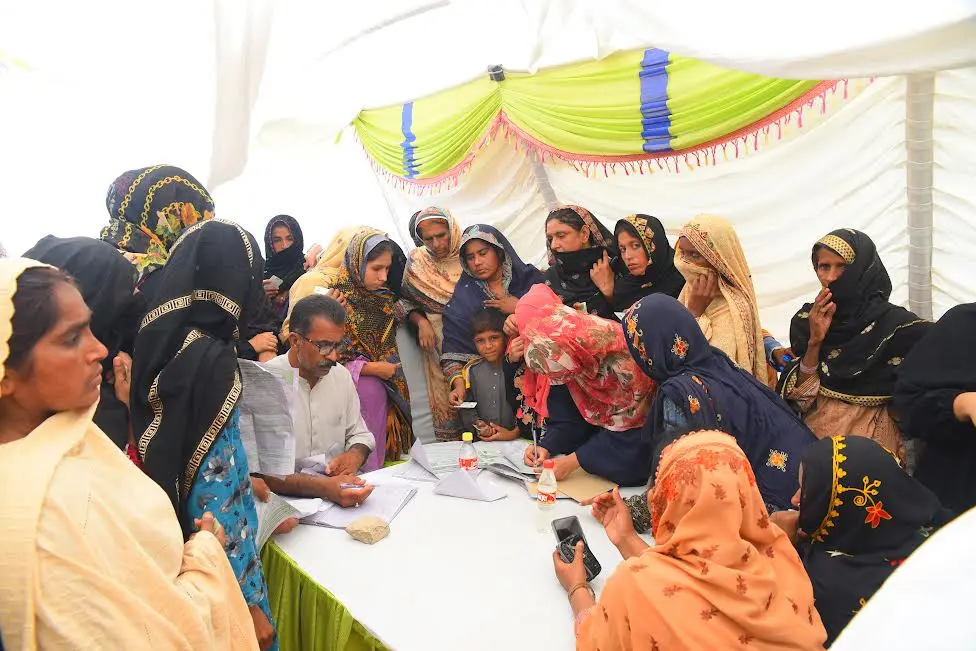
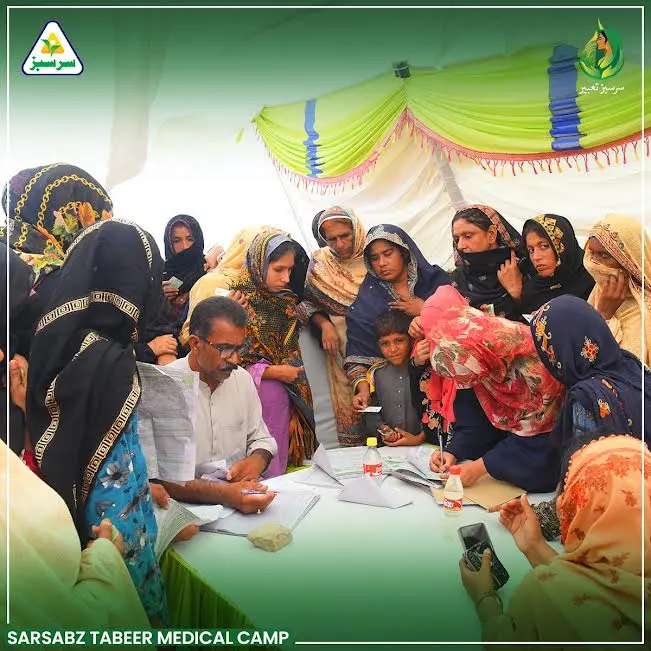
    As part of its ongoing commitment to empower rural women and female farmers, Fatima Fertilizer, under its flagship Sarsabz Tabeer initiative, has launched a new health-focused intervention in collaboration with Mukhtar A. Sheikh Memorial Welfare Hospital (MASH) and the Government of Punjab.

    The first Free Medical Camp under this new health initiative was successfully held on June 26th at THQ Hospital Kehrorpaka, Lodhran, targeting underserved communities where access to quality healthcare remains a challenge. The camp provided free medical consultations and medicines to a total of 400 participants including female farmers, children and their families, with a panel of specialists from various fields, including Gynecology, Pediatrics, Nephrology, Family Medicine, Neurology, and Ophthalmology.

    The event was attended by Multan Division Commissioner Amir Kareem Khan, Assistant Commissioner Ashraf Saleh Khan, and Babar Khan Marketing Head, who led the camp on behalf of MASH, along with Noor Malik, Brand Manager at Fatima Fertilizer. The event saw participation from 100 female farmers, reflecting the strong community engagement and institutional support behind the initiative.

    “Sarsabz Tabeer is more than a program, it is a movement to uplift and enable the women who form the backbone of our agricultural economy, where female participation stands at a significant 67.9%,” said Rabel Sadozai, Director Marketing and Sales at Fatima Fertilizer. “By adding healthcare to our scope, we’re responding to a critical need because true empowerment is not possible without access to basic health services. This collaboration with MASH and the Government of Punjab marks an important milestone in delivering dignity, care, and opportunity to the women who grow Pakistan.”

    Building on the program’s three existing pillars, Education, Skill Development, and Financial Empowerment, Fatima Fertilizer has now introduced Health as a fourth pillar to support the holistic well-being of female farmers across Pakistan.

    Fatima Fertilizer launched the Sarsabz Tabeer program to empower female farmers and rural women through vocational training in food processing. Aimed at promoting financial independence, reducing post-harvest losses, and advancing sustainable agriculture, the initiative has trained over 2,000 female farmers and rural women across 15+ cities nationwide, helping them add value to their farm produce and establish home-based agribusinesses. To further amplify its impact, Fatima Fertilizer signed a Memorandum of Understanding (MoU) with the Akhuwat Foundation, providing female farmers with access to financial resources, mentorship, and entrepreneurial support.

    The newly launched healthcare pillar further strengthens Sarsabz Tabeer’s vision of enabling long-term socio-economic transformation for rural women. With more camps planned in the coming months, the program continues to play a pivotal role in building healthier, more resilient farming communities.

    Also Read: Just Clocked In! SONRAJ Launches Youth Circle