Tag: Toyota

  • IMC Exhibits their Toyota Corolla Cross at Pakistan Auto Show (PAPS) 2024

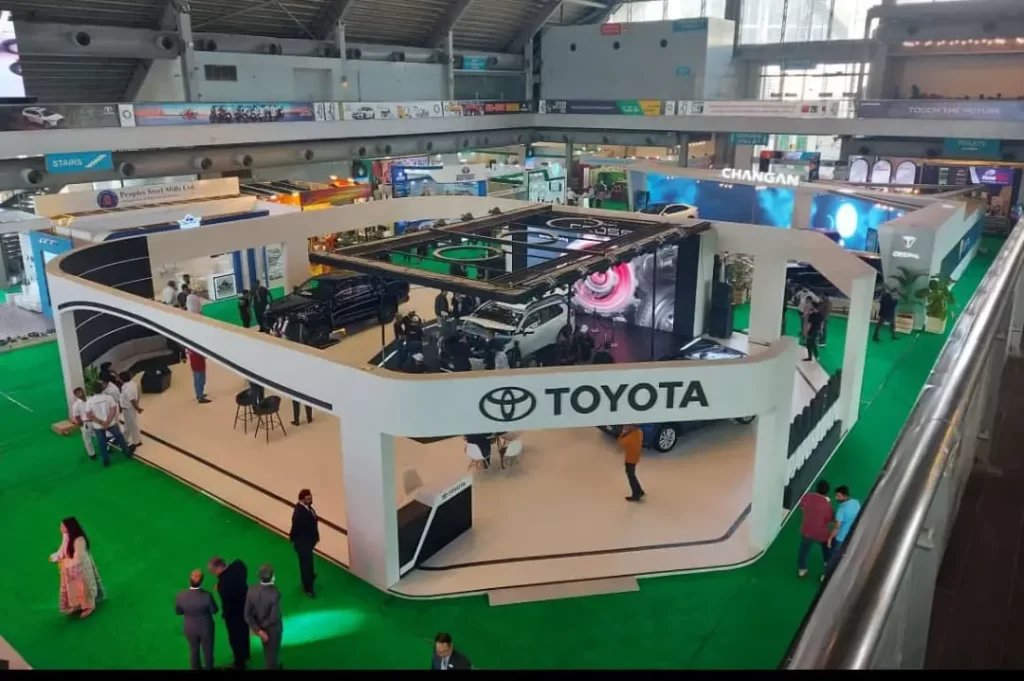
    Indus Motor Company (IMC) proudly participates as the Diamond Sponsor of the 2024 Pakistan Auto Show (PAPS), being held from 25th to 27th October in Lahore.

    A key highlight during this year’s Pakistan Auto Show (PAPS) 2024 at IMC stand, is their exploded view of their Corolla Cross, the first-ever, ‘Make in Pakistan’, Hybrid Electric Vehicle (HEV) that boasts the highest-ever local content. The event was attended by IMC’s Senior Director Manufacturing, Mr. Makoto Kubota and Director Manufacturing, Mr. Wali Muhammad Khan. 

    With their continued focus of “Make in Pakistan,” IMC showcases its rigorous commitment to local manufacturing, sustainability, and innovation. Over the last more than 30 years, IMC has invested toward its localization efforts, enhancing the production of high-quality vehicles, while creating jobs and promoting local industry growth.

    In light of this significant investment, IMC requests the government to provide the local auto industry with sustainable policies that will foster long-term growth. By implementing policies favoring increased localization and manufacturing, Pakistan can further strengthen its automotive industry. 

    IMC also emphasizes the need for continued long-term policies for Hybrid Electric Vehicles (HEVs) and Battery powered Hybrid Electric Vehicles (BHEVs), as per AIDEP 21-26. Clear, supportive frameworks for these advanced technologies will ensure that the country remains on the cutting edge of automotive innovation. 
    IMC has expanded its footprint beyond Pakistan, recently initiating export of vehicles to Oceanian countries, raw material exports to Egypt, and even providing human resources expertise to Japan. These achievements further underscore IMC’s global quality standards within Pakistan, while continuing to maintain highest localization levels for their vehicles, including their Corolla Cross. 

    The local auto industry considers the influx of used car imports as being unfavorable. Industry urges the government to devise policies that prevent the excessive, illegal import of used cars, which can undermine local production, hurt job creation, and negatively impact the national economy. A focus on promoting locally manufactured vehicles will boost the auto industry and stimulate Pakistan’s economic growth. 

    The Pakistan Auto Parts Show (PAPS) is the premier automotive event in Pakistan, bringing together original equipment manufacturers (OEMs), policy makers, government stakeholders, and the public. PAPS 2024 will provide a platform for participants to display their latest vehicles and parts, engage with policy makers, and introduce cutting-edge technologies and products.

    Also Read: Plastic Packaging, Corrugated & Food Asia to be held on Oct 29-31

  • Toyota IMC to Inject Rs 3 Billion into Local Auto Parts Production

    In a strategic move, Toyota Indus Motor Company (IMC) is set to make a substantial investment of Rs 3 billion in the local production of auto parts. This development underscores the company’s commitment to fostering domestic manufacturing capabilities and aligning with the broader objectives of promoting self-sufficiency in the automotive sector.

    Toyota-IMC’s decision to invest significantly in local auto parts production signals a proactive approach toward reducing dependency on imports and contributing to the growth of the indigenous automotive industry. The injection of funds into this initiative is expected to have far-reaching impacts on the supply chain, employment generation, and overall economic development.

    Key Aspects of Toyota-IMC’s Investment in Local Auto Parts:

    Strategic Investment: The Rs 3 billion investment reflects the strategic importance Toyota-IMC places on strengthening the local auto parts ecosystem, paving the way for enhanced collaboration with local manufacturers.

    Reducing Import Dependency: By increasing local production, Toyota-IMC aims to curtail reliance on imported auto parts, contributing to the national objective of reducing the trade deficit and promoting economic self-sufficiency.

    Supply Chain Enhancement: The investment is poised to enhance the resilience and efficiency of the automotive supply chain, fostering a more integrated and self-reliant manufacturing process.

    Technology Transfer: The initiative is expected to facilitate technology transfer and knowledge-sharing, fostering skill development and innovation within the local auto parts industry.

    Economic Impact: Beyond the immediate benefits to Toyota-IMC, the investment is likely to have positive ripple effects on the broader economy, creating job opportunities and stimulating economic activity.

    As Toyota-IMC embarks on this substantial investment in local auto parts production, it exemplifies a collaborative effort between the private sector and the government to fortify domestic industries. This initiative aligns with the national agenda of promoting economic sustainability, and industrial growth and fostering a conducive environment for businesses to thrive.

    Also Read: Ansar Burney Launches Autobiography “Awaaz”

  • Car Sales Experience Sharp 66% Decline in December

    In a significant downturn for the automotive industry, car sales in December witnessed a staggering 66% plunge, marking a concerning trend that industry analysts attribute to inflation and the challenges posed by unaffordable auto financing.

    The data paints a grim picture for the automotive sector, revealing a substantial contraction in consumer demand for cars. The steep decline raises concerns about the overall economic impact, reflecting the financial strain on potential car buyers. The double whammy of inflation and unattainable auto financing options has created a challenging environment for individuals looking to make a vehicle purchase.

    The adverse effects of inflation on consumer purchasing power cannot be overstated. As prices across various sectors continue to rise, consumers find themselves grappling with increased living costs, leaving them with limited discretionary income. In such a scenario, major purchases like cars become a luxury that many are forced to forego.

    Unaffordable auto financing exacerbates the situation, further restricting access to the automotive market. As potential buyers face stringent lending terms, high-interest rates, and challenging credit requirements, the dream of owning a car becomes unattainable for a significant portion of the population.

    The auto industry, which plays a pivotal role in economic growth and employment, is feeling the brunt of these adverse conditions. The sharp decline in car sales not only impacts manufacturers but also has a ripple effect on the entire automotive ecosystem, affecting dealerships, suppliers, and associated businesses.

    Industry stakeholders are closely monitoring the situation, emphasizing the need for policy interventions and measures to address the challenges faced by both consumers and the automotive sector. As the country navigates economic uncertainties, finding solutions to make car ownership more accessible and affordable becomes imperative for sustaining the vitality of the automotive industry.

    The coming months will be crucial for assessing whether the automotive sector can rebound from this significant setback. Government initiatives, industry collaborations, and innovative financing solutions may hold the key to revitalizing car sales and restoring consumer confidence in the market.

    Also Read:Elections, journalism, and transparency: CEJ-IBA launches fact-checking initiative ahead of General Elections 2024