Author: Admin

  • FBR Project: Government Requests One-Year Extension for World Bank-Funded Initiative

    In a notable development, the government has submitted a formal request seeking a one-year extension for the World Bank-funded project dedicated to the Federal Board of Revenue (FBR). This request signals a strategic move to address potential challenges or delays in the implementation of the project and underscores the government’s commitment to leveraging external support for enhancing the efficiency and effectiveness of FBR operations.

    Key Aspects of the Request for Project Extension:

    World Bank Funding: The project in question is funded by the World Bank, signifying international collaboration in supporting Pakistan’s efforts to reform and strengthen the FBR. Understanding the terms and conditions associated with this funding is crucial for assessing the significance of the extension request.

    Strategic Considerations: The decision to seek an extension implies strategic considerations by the government to ensure the successful completion of the FBR project. Evaluating the reasons behind this extension request provides insights into the challenges or complexities faced during the project’s execution.

    FBR Enhancement Objectives: The project’s primary objective is likely to enhance the capabilities and efficiency of the Federal Board of Revenue. Analyzing the specific goals and outcomes targeted by the project offers a comprehensive understanding of its intended impact on tax administration and revenue generation.

    Implementation Challenges: The extension request suggests the possibility of implementation challenges or unforeseen obstacles that may have affected the project timeline. Identifying these challenges is essential for developing strategies to overcome them and ensuring the project’s success.

    Government Commitment: The government’s commitment to seeking external support for FBR improvements is evident in this extension request. Assessing the government’s dedication to implementing reforms and modernizing revenue collection processes is essential for understanding the broader context of the project.

    Public Financial Management: The FBR project’s extension request has implications for public financial management and governance. Examining the alignment of the project with broader economic and fiscal objectives provides insights into its role in enhancing overall financial governance.

    As the government pursues an extension for the World Bank-funded FBR project, it opens avenues for exploring the dynamics of international collaboration, strategic considerations, and the commitment to strengthening revenue administration. Delving into the specifics of the project and the reasons behind the extension request contributes to a comprehensive understanding of Pakistan’s initiatives to enhance its fiscal capabilities.

    Also Read: Government Debt Surges, Exceeding Legal Limit by Rs. 14.5 Trillion
  • PPL Approves Funding: Government of Balochistan’s Capital Contribution Secured for Lead-Zinc Mining Project

    In a significant development, Pakistan Petroleum Limited (PPL) approves funding aimed at facilitating the Government of Balochistan’s capital contribution to the Lead-Zinc Mining Project. This marks a crucial step forward in ensuring the financial support necessary for the initiation and progress of the mining venture, aligning with the broader objectives of fostering economic growth and resource exploration in the region.

    Key Aspects of PPL Approves Funding for Lead-Zinc Mining Project:

    Strategic Collaboration: PPL’s endorsement of funding signifies a strategic collaboration between the public and private sectors, where a prominent energy player actively supports the government’s initiatives for resource exploration. Understanding the terms and conditions of this collaboration is essential for assessing its potential impact on the mining project.

    Government of Balochistan’s Contribution: The approval is specifically geared towards securing the Government of Balochistan’s capital contribution to the Lead-Zinc Mining Project. Analyzing the size and significance of this financial commitment sheds light on the government’s role in fostering mineral exploration and extraction.

    Economic Implications: The Lead-Zinc Mining Project will likely have economic implications for the region and the country. Exploring the project’s economic benefits, job creation potential, and revenue generation aspects provides a comprehensive perspective on its overall impact.
    Resource Exploration Objectives: PPL’s financial support underscores a shared commitment to the objectives of resource exploration and harnessing the potential of mineral deposits. Delving into the mining project’s goals and its role in meeting the country’s mineral requirements is crucial for understanding its strategic importance.

    Private Sector Involvement: The involvement of PPL represents the active participation of the private sector in contributing to the national agenda of resource development. Evaluating the motivations and expectations of private entities in such collaborations helps gauge the sustainability and success of the venture.

    Mining Project Milestones: With funding approval secured, attention can now be directed toward the specific milestones and timelines associated with the Lead-Zinc Mining Project. Examining the planned phases and expected outcomes offers insights into the project’s progression and its potential impact on the mining sector.

    As PPL greenlights funding for the Government of Balochistan’s capital contribution to the Lead-Zinc Mining Project, it exemplifies a collaborative effort between the public and private sectors to drive economic development and mineral resource exploration. Scrutinizing the finer details of this funding approval contributes to a nuanced understanding of the strategic alliances shaping Pakistan’s mining landscape.

    Also Read: Pakistan Unveils Tight Gas Policy to Boost Exploration, Production

  • Engro Corporation announces transition in leadership

    Engro Corporation, Pakistan’s premier business conglomerate, has announced the appointment of Ahsan Zafar Syed as President & CEO Designate.

    Ghias Khan will continue to serve as President & CEO of Engro Corporation until the end of his term in April 2024.

    Ahsan, currently CEO of Engro Fertilizers, began his professional career with Engro (then Exxon Chemical Pakistan Limited) over 30 years ago. Ahsan played a pivotal engineering role in the construction of the EnVen plant for Engro Fertilizers, which is the second-largest single-train urea plant in the world. To date, the EnVen plant has been Engro’s largest project and investment, amounting to USD 1.1 billion at the time. As the CEO of Engro Energy, power and mining projects collectively amounting to USD 1.9 billion were established under Ahsan’s leadership, enabling Engro’s energy vertical to successfully unearth the country’s largest coal reserves in Thar.

    In a PSX notification, “The Board has also expressed its deepest gratitude towards the existing President & CEO, Mr. Ghias Khan, whose leadership and dedication has helped in the substantial growth of the Company.”

    Over the last 7 years, Engro has achieved historic performance milestones under Ghias’s leadership. Its flagship business, Engro Fertilizers, recently became the most valuable fertilizer company on the PSX, the Thar project was completed successfully, VOPAK became a partner in its LNG Terminal, while Engro also started a new telecommunication infrastructure vertical through Engro Enfrashare and established Engro FZE in Dubai to enter regional trade. Ghias implemented Engro Corporation’s current operating model, based on which the Engro enterprise received several awards – most recently four of its Group companies were in the top six of the PSX awards for 2023 and Engro was voted as a leading employer of choice.

    Also Read: Idara e Taleem o Aagahi (ITA) appoints Kazim Saeed as Chairman of the Board

  • Austrian ambassador explores investment prospects in Pakistan, stresses positive perception

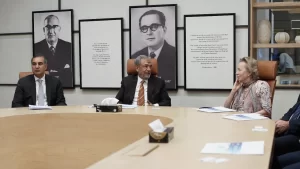
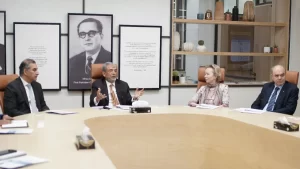
    Austrian Ambassador to Pakistan and Afghanistan Andrea Wicke, joined by Hussain Islam, chairman of the Prime Minister’s Task Force in the Strategic Reforms Unit, and Johannes Brunner, commercial counselor of the Austrian Embassy Commercial Section, visited the Overseas Investors Chamber of Commerce and Industry (OICCI) to engage with the Chamber’s leadership and gain insights into Pakistan’s economic landscape.

    During the meeting, OICCI CE/Secretary General M Abdul Aleem provided a comprehensive briefing to the Austrian delegation on Pakistan’s business prospects, with a focus on attracting Foreign Direct Investment (FDI), ideally reaching three percent of its GDP. Notably, the total capital investment by OICCI members from FY 2013 to FY 2022 amounted to $22.0 billion, while Pakistan’s net FDI stands at $19.9 billion. In the past year (Jan-Dec), Pakistan attracted $1,771 million in FDI, marking a 25% increase from 2022.

    Austrian ambassador Austrian ambassador

    Austrian Ambassador Wicke shared her insights on how Pakistan is perceived globally in terms of investment, emphasizing a focus on regional trade, particularly the potential within the South Asian Association for Regional Cooperation (SAARC). She stressed the importance of building a positive perception of Pakistan through engagement with foreign media to showcase the country’s overall beauty.

    Both Andrea Wicke and Johannes Brunner expressed optimism, highlighting that OICCI’s engagement with potential Austrian foreign investment companies would play a crucial role in providing a neutral perspective on Pakistan’s on-ground economic situation. The visit underscores the growing interest of foreign entities in exploring and contributing to Pakistan’s economic development.

    Also Read: Foreign Exchange: SBP Set to Introduce New Trading Platform

  • Petroleum Conference 24: Ministry of Energy’s Petroleum Division to Host Conference in Islamabad

    The Petroleum Division of the Ministry of Energy is gearing up to host the much-anticipated Petroleum Conference 2024 in the capital city, Islamabad. This strategic initiative is set to bring together industry leaders, experts, and stakeholders to deliberate on crucial aspects of the petroleum sector, fostering discussions on innovation, challenges, and prospects.

    Key Aspects:

    Ministry of Energy’s Vision: The decision to organize the Conference 2024 underscores the Ministry of Energy’s commitment to providing a platform for comprehensive discussions on the evolving landscape of the petroleum sector. The conference aims to align with the ministry’s vision for a sustainable and progressive energy future.

    Industry Collaboration: The conference catalyzes fostering collaboration within the petroleum industry. Bringing together key players, experts, and stakeholders, it provides a unique opportunity to explore potential collaborations, share insights, and address challenges collectively.

    Focus on Innovation: With a keen focus on innovation, the conference is expected to showcase advancements in technology, exploration, and production within the petroleum sector. It provides a forum for participants to stay abreast of the latest developments and trends shaping the industry.

    Addressing Challenges: As the petroleum sector faces various challenges, ranging from regulatory frameworks to market dynamics, the conference serves as a platform for dialogue. Discussions on addressing challenges and formulating effective strategies for sustainable growth are anticipated to be key highlights.

    Future Roadmap: The Conference 2024 is not only an opportunity to assess the current state of the industry but also to chart the future roadmap. Deliberations on policy frameworks, investment opportunities, and potential areas for growth are expected to contribute to shaping the sector’s trajectory.

    The upcoming Petroleum Conference 2024 in Islamabad is poised to be a significant event in the energy sector calendar. As industry leaders converge to discuss, collaborate, and strategize, the conference is expected to play a pivotal role in shaping the future trajectory of the petroleum sector in Pakistan.

    Also Read: Reduced power tariff to revive economic activities: President FBATI

  • Policy Rate Stability Predicted in Upcoming MPC Meeting

    As the upcoming Monetary Policy Committee (MPC) meeting draws near, financial experts express their expectations of a maintained stability in the policy rate. The consensus among analysts suggests that the State Bank of Pakistan (SBP) is likely to keep the policy rate unchanged in its ongoing efforts to balance economic growth and inflation control.

    The policy rate, a key tool in the SBP’s monetary policy toolkit, is closely monitored by market participants, investors, and businesses. The expected decision to maintain the status quo reflects the central bank’s cautious approach amid the current economic conditions.

    Key Considerations for Anticipated Policy Rate Stability:

    Economic Recovery: The experts point to the delicate phase of economic recovery, emphasizing the need for a stable policy environment to support businesses and encourage investment.

    Inflation Management: The central bank’s commitment to managing inflation remains paramount. Keeping the policy rate stable is seen as a strategic move to navigate potential inflationary pressures.

    Global Economic Factors: The interconnected nature of global economies and external challenges contribute to the cautious stance. The anticipated stability aligns with a broader awareness of international economic dynamics influencing domestic monetary decisions.

    The SBP’s role in steering monetary policy is crucial, and the expected decision to maintain the policy rate reflects a measured response to the complexities of the current economic landscape. The central bank’s commitment to stability is instrumental in fostering confidence and providing a conducive environment for economic activities.

    In conclusion, the anticipation of policy rate stability in the upcoming MPC meeting signifies a nuanced approach to monetary policy. As Pakistan continues its journey toward economic recovery, a steady policy environment is deemed essential for sustaining growth and ensuring financial stability. The decision made during the meeting will not only impact domestic economic conditions but also contribute to the broader narrative of Pakistan’s financial resilience in the global context.

    Also Read: Faysal Bank, OPay Collaborate for Expanding Digital Merchant Acceptance Across Pakistan

  • Renewable Energy Advocates Call on Government for a Well-Defined Transition Plan

    In a call for a comprehensive and sustainable energy shift, experts are urging the government to chart a clear path towards the widespread adoption of renewable energy. The push for a holistic transition comes as the world increasingly recognizes the importance of sustainable energy sources to combat climate change and ensure long-term environmental viability.

    The experts emphasize the need for the government to proactively navigate a well-defined course that fosters the transition to renewable. This strategic move aligns with global efforts to reduce dependency on fossil fuels and embrace cleaner, more environmentally friendly alternatives.

    Key Aspects: 

    Clear Transition Plan: Advocates stress the importance of a well-structured transition plan that outlines the steps and milestones for shifting towards renewable energy sources, ensuring a smooth and efficient process.

    Environmental Sustainability: The call for a holistic shift to renewable energy is rooted in the understanding that such a transition is essential for environmental sustainability, reducing carbon emissions, and mitigating the impact of climate change.

    Global Imperative: The urgency to transition to renewable energy is underscored by the global imperative to address climate challenges. Advocates highlight the role of governments in spearheading initiatives that contribute to a cleaner and greener future.

    Renewable energy advocates emphasize that a well-defined roadmap will not only facilitate a smoother transition but also attract investments and innovations in the renewable energy sector. As countries worldwide commit to reducing their carbon footprint, Pakistan’s strategic move towards renewable energy aligns with the broader global agenda for a sustainable future.

    As the government navigates this path, it is anticipated that a clear and comprehensive plan will inspire confidence among stakeholders, including investors and the public. The holistic shift to renewable energy is viewed as a transformative step that not only addresses energy needs but also contributes significantly to Pakistan’s commitment to international climate goals.

    In conclusion, the call from experts for the government to chart a clear path for a holistic shift to renewable reflects a growing recognition of the importance of sustainable practices. As Pakistan seeks to diversify its energy sources and reduce its environmental impact, a well-defined transition plan becomes pivotal in steering the country towards a cleaner, more sustainable energy future. The collaborative efforts of the government, private sector, and civil society will play a crucial role in realizing the potential of renewable and securing a greener tomorrow.

    Also Read: Reduced power tariff to revive economic activities: President FBATI

  • SBP Reserves Experience a Surge of $243 Million Following IMF Loan Tranche

    In a noteworthy development for Pakistan’s economic landscape, the State Bank of Pakistan (SBP) witnesses a substantial increase in reserves, amounting to $243 million. This surge in reserves is attributed to the recent disbursement of a tranche from the International Monetary Fund (IMF), marking a positive stride in the country’s financial stability.

    The injection of $243 million into the SBP reserves is a result of the IMF’s ongoing support and financial assistance to Pakistan. This strategic move is part of the broader collaboration between Pakistan and the IMF to bolster the country’s foreign exchange reserves and stabilize its economic position.

    Key Factors Contributing to the Increase:

    IMF Loan Tranche: The disbursement of the IMF loan tranche significantly contributes to the surge in SBP reserves, providing a timely boost to the country’s foreign exchange holdings.

    Financial Stability: The increase in reserves enhances Pakistan’s financial stability, creating a more robust foundation for economic growth and mitigating external vulnerabilities.

    IMF Collaboration: The ongoing collaboration with the IMF remains instrumental in addressing economic challenges, and the positive impact is reflected in the augmented SBP reserves.

    This surge in SBP reserves holds significance in the context of Pakistan’s economic strategies and efforts to navigate the complexities of global economic dynamics. The IMF’s continued support is instrumental in providing Pakistan with the necessary financial cushion to address balance of payments issues and ensure a stable macroeconomic environment.

    The utilization of the IMF loan tranche to bolster SBP reserves aligns with the government’s commitment to implementing sound economic policies and securing external support to meet its financial obligations. The injection of funds contributes not only to immediate financial needs but also to the overall resilience of the Pakistani economy.

    As Pakistan continues to engage with international financial institutions, the increase in SBP reserves serves as a positive indicator of the effectiveness of these collaborative efforts. It underscores the country’s ability to secure financial assistance and navigate economic challenges with the support of global partners.

    In conclusion, the surge of $243 million in SBP reserves, fueled by the recent IMF loan tranche, is a significant milestone for Pakistan’s economic stability. This financial boost enhances the country’s resilience, providing a buffer against external pressures and reinforcing its position in the global economic landscape. The collaboration with the IMF continues to play a pivotal role in securing the necessary financial resources for Pakistan’s economic progress.

    Also Read: Foreign Exchange: SBP Set to Introduce New Trading Platform

  • GTR Tyre Presents Kaliwali Zalmi Cricket League Season 3

    The Kaliwal Zalmi League Season 3, proudly presented by GTR Tyre, has culminated in an extraordinary cricketing spectacle, showcasing the raw talent and passion that define the heart of cricket in Khyber Pakhtunkhwa (KPK). The event, featuring a record-breaking 782 teams and over 12,500 young cricketers, unfolded across the vibrant landscapes of the province.

    The climactic final round of the Kaliwal Zalmi League Season 3, which took place at Kabal Ground Swat from December 29th to 31st, 2023, showcased an intense battle among the top eight teams, each representing the divisional champions from the 34 districts of Khyber Pakhtunkhwa (KPK). These elite teams included the Hazara Panthers, Bannu Bulls, Khyber Tigers, Swat Hawks, Kohat Knights, Charsadda Eagles, Bara Titans, and DI Khan Stallions.

    The pinnacle of the tournament witnessed a riveting clash between two formidable contenders, the Bannu Bulls and Khyber Tigers. The atmosphere at Kabal Ground Swat was charged with excitement as the teams fought fiercely for the coveted title. In a thrilling face-off, the Khyber Tigers displayed exceptional skills and resilience, ultimately emerging victorious in the final match. The triumphant Khyber Tigers secured their position as the champions of the Kaliwal Zalmi League Season 3, marking their success in the prestigious tournament.

    Arshad Khan, Education Secretary KPK, along with Asad Usmani, Head of Marketing GTR Tyres, PCB Level 3 Coach Jamal, and other local government officials, graced the closing ceremony, celebrating the success of the cricketing event. GTR Tyre played a pivotal role as the sponsor, reaffirming its commitment to nurturing young talent and making a positive impact in the communities it serves.

    The journey began with Phase 1, launched on December 7th, where 782 teams from 34 districts of KPK participated in a grassroots competition that spanned from Peshawar to Kohat, DI Khan to Hazara. The competition showcased the rich tapestry of cricketing fervor in the region, leading to the emergence of 34 district champion teams.

    In Phase 2, the 34 district champion teams engaged in intense competition to qualify for the final round of Kaliwal Zalmi League Season 3. The top eight divisional champions—Hazara Panthers, Bannu Bulls, Khyber Tigers, Swat Hawks, Kohat Knights, Charsadda Eagles, Bara Titans, and DI Khan Stallions—emerged victorious, securing their spots in the final round.

    Javed Afridi, Chairman of Peshawar Zalmi, expressed gratitude to the young cricketers of KPK for their overwhelming response to the Kalewal Zalmi League, emphasizing a commitment to organizing healthy activities for the youth in the future. CEO of GTR Tyres, Hussain Kuli Khan, echoed this sentiment, stating that GTR believes in organizing sports and healthy activities for the youth in Pakistan.

    The successful conclusion of Kaliwal Zalmi League Season 3 stands as a testament to the collaborative efforts of GTR Tyre and the cricketing community of KPK, highlighting the importance of promoting sports and nurturing emerging talent for the future. As Asad Usmani remarked during the closing ceremony, “The raw talent displayed by the teams aligns perfectly with our mission to foster and celebrate excellence.

    Also Read: Babar Azam Ascends in the Latest ICC T20I Batting Rankings

  • Reduced power tariff to revive economic activities: President FBATI

    President Federal B Area Trade and Industries (FBATI), Syed Raza Hussain, said the decision to cut down the power tariff by 7 cents will give a little relief to industrial consumers across the country.

    Lauding the role of the caretaker government in announcing the reduction of the power tariff from 16 cents per kWh to 9 cents per KWh, the FBATI President urged the upcoming government to further revise the power tariff to empower industries to curtail their cost of doing business significantly, enhancing industrial production for the local and export markets.

    President FBATI also underscored the need for uninterrupted supplies of electricity to industrial consumers for a positive and attractive business climate, improving the investment climate of the country while attracting investment from local and foreign investors in multiple sectors ultimately.

    Further, the competitiveness of the local brands with this decision will be improved, which will also support the growth of exports to various foreign countries, particularly the SMEs, he added.

    He also requested the interim government issue the notification immediately to revive hope for industrialists and businessmen to sustain their businesses on the road to recovery, growth, and development.

    Rationalizing the electricity tariff at the domestic level will also aid power utilities in recovering bills and due payments from industrial customers on time, whereas the burden of circular debts in the energy sector can be partially impacted positively, he further said.

    Raza also mentioned that the passage of relief to petroleum prices in the recent few weeks also curtailed the logistics costs of the industries, urging the government to further revise petroleum product prices at a domestic level.

    Also Read: Faysal Bank, OPay Collaborate for Expanding Digital Merchant Acceptance Across Pakistan